


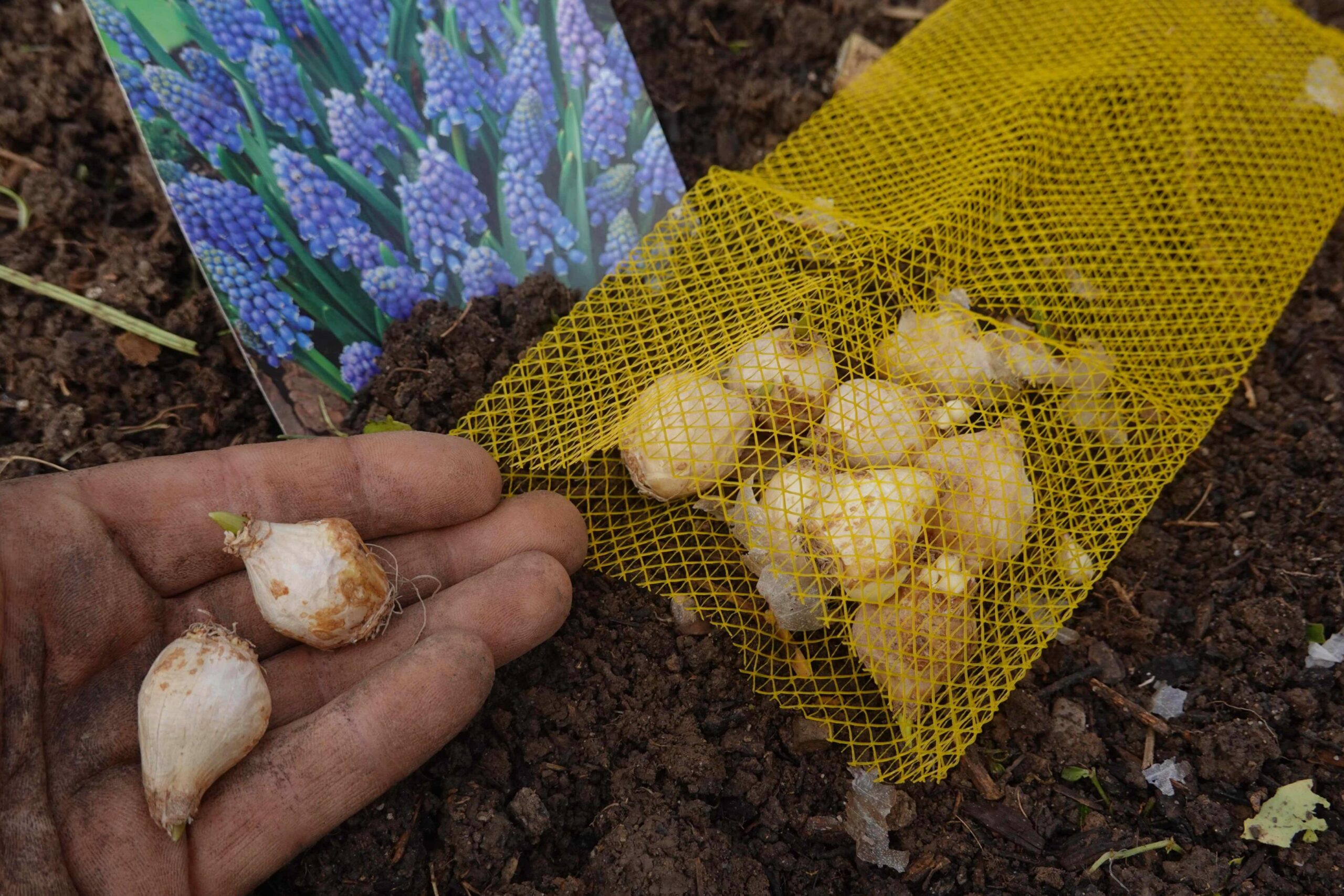
Many gardeners eagerly anticipate spring blooms from bulbs purchased in late winter, but sometimes these bulbs sprout prematurely—either in their packaging or storage. While concerning, early sprouting doesn’t always mean failure; with quick action, you can often still plant them successfully or slow their growth.
Зміст
Why Bulbs Sprout Before Planting
Bulbs sprout early primarily due to improper storage during shipping or delays in planting. Temperature and humidity play a critical role: warm, humid conditions can trigger bulbs to break dormancy before their time.
According to bulb expert Jenny Rose Carey, author of The Essential Guide to Bulbs, this is often the result of poor transit conditions. Bulbs should ideally be shipped and stored cool, but not freezing, to remain dormant. If you see shoots developing during transport, it’s a sign conditions weren’t ideal.
What to Do If Your Bulbs Sprout Too Early
The key is speed. If bulbs are showing tiny shoots (white or light-green), plant them immediately. These shoots indicate the bulb is responding to warming temperatures, light, and moisture—all signals that it’s time to grow. If immediate planting isn’t possible, proper storage is essential.
- Place sprouting bulbs in a pot with a thin layer of potting soil above and below.
- Do not water or fertilize during storage, as this will accelerate growth.
- For longer-term storage, refrigerate them, keeping them away from ripening fruit (which emits ethylene gas, a natural ripening agent that can also trigger sprouting).
Bulb Varieties Prone to Early Sprouting
Some bulb types are more eager to grow than others.
- Colchicum: These fall-blooming bulbs are notorious for sprouting even in unsuitable conditions, sometimes blooming out of soil altogether.
- Amaryllis: Often sold with wax coverings instead of soil, amaryllis bulbs can sprout and even grow while still in the packaging. However, the heavy blooms can sometimes cause them to topple over.
- Paperwhites: These are particularly sensitive to warm temperatures and may sprout in the bag before planting if left in a heated room.
Why It Matters
Early sprouting isn’t ideal because it depletes the bulb’s energy reserves before planting. However, it’s manageable if you act quickly. The urgency stems from the bulb’s natural drive to reproduce: once sprouting begins, the plant prioritizes growth over dormancy.
Ignoring early sprouts increases the risk of weak or stunted blooms. The longer a bulb sprouts before planting, the less energy it has for flowering.
Ultimately, though, even sprouted bulbs can thrive with proper handling. The key is recognizing the signs and responding promptly to ensure a vibrant spring display.


