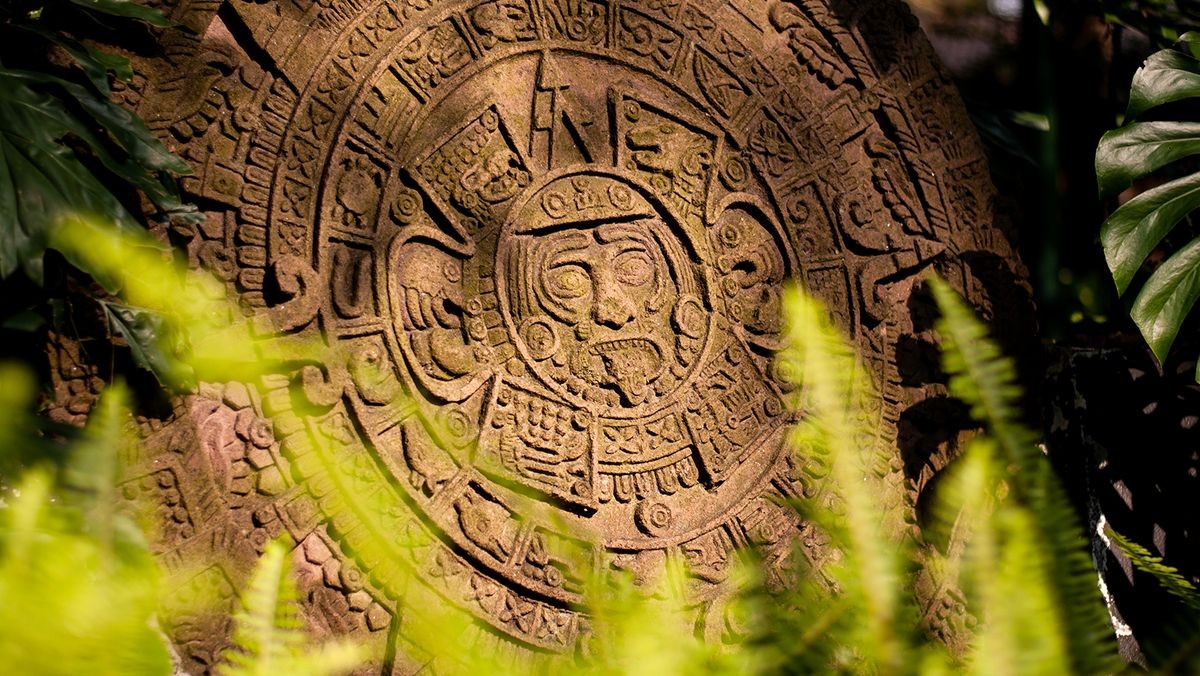
The Aztec Empire, which dominated central Mexico in the early 16th century, fell remarkably quickly after contact with Europeans. The reasons behind this collapse are not simply a matter of Spanish conquest; rather, a complex interplay of warfare, disease, and crucially, shifting alliances with Indigenous groups already resentful of Aztec rule.
Зміст
The Spanish Arrival and Early Alliances
In 1519, Hernán Cortés defied orders from Cuba and led an expedition inland from Vera Cruz. This was not a solo effort. Cortés actively sought and received support from numerous Indigenous communities who had long suffered under the Aztec Empire’s tribute demands and brutal practice of human sacrifice. These groups saw the Spanish not as liberators, but as potential partners in overthrowing a deeply oppressive regime.
The Aztecs controlled a vast territory through force and extraction. Many conquered peoples were eager to break free, and Cortés exploited this discontent. This alliance proved critical: without thousands of Indigenous warriors fighting alongside the Spanish, the conquest of Tenochtitlán would have been far more difficult, if not impossible.
Escalation and Violence in Tenochtitlán
Cortés and his allies were initially allowed into the Aztec capital, Tenochtitlán, with relatively little resistance. Contrary to some myths, there’s no credible evidence the Aztecs mistook Cortés for a returning god. However, the situation quickly deteriorated. In 1520, while Cortés was temporarily absent, Spanish troops under Pedro de Alvarado massacred Aztec nobles during a religious festival, igniting a full-scale uprising.
The ensuing Spanish retreat, known as La Noche Triste (“The Sad Night”), was a bloody disaster for the Europeans. Despite heavy losses, Cortés regrouped and returned with even larger Indigenous forces, ready for a final assault.
The Silent Weapon: Smallpox
While superior Spanish weaponry and armor played a role, the most devastating factor was the introduction of smallpox. This Old World disease had never been present in the Americas and spread rapidly through the densely populated Aztec Empire. The epidemic killed countless people, including Emperor Moctezuma, before the final siege even began.
The Aztecs were decimated not just by battles, but by a biological weapon they had no defense against. This weakened their military and social structures to the point of collapse.
The Final Siege and Legacy
After a brutal 75-day siege, Tenochtitlán fell in August 1521. The city was systematically destroyed and rebuilt as Mexico City, the new capital of New Spain. The fall of Tenochtitlán marked the end of Aztec rule and ushered in a new era of Spanish dominance.
The empire’s collapse wasn’t just about military strength; it was about exploiting existing internal tensions and unleashing a disease that shattered Aztec society from within. This brutal combination ensured a swift and decisive victory for the Spanish and their Indigenous allies.