Your entryway is the first impression of your home, and it’s also one of the dirtiest areas due to daily foot traffic, pet paws, and weather-tracked grime. While many cleaning solutions exist, vinegar offers a surprisingly effective, eco-friendly, and affordable option for maintaining a clean entryway. However, its use isn’t universal; understanding when and how to apply it correctly is critical to avoid damage.
Зміст
Why Vinegar Works: A Breakdown
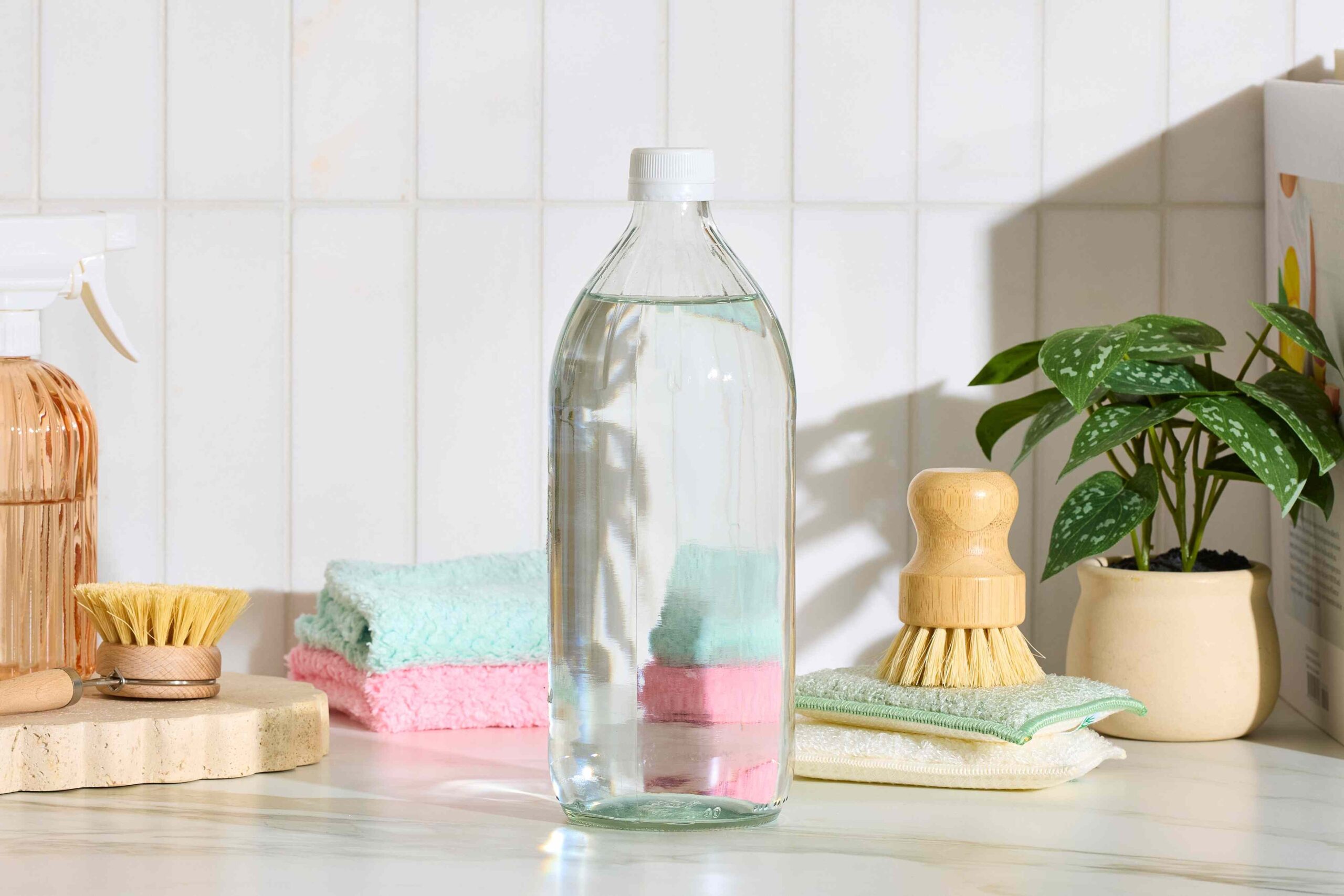
Cleaning professionals consistently praise vinegar’s ability to cut through dirt and neutralize odors. The key lies in acetic acid, which breaks down grease and mud without leaving residue. Unlike harsh chemical cleaners, vinegar is non-toxic, making it safe for pets and the environment.
According to Lisa Macqueen, CEO of Cleancorp, “Vinegar is very effective in entry hallways as it can cut through grime and dirt that typically builds up near doorways.” This makes it ideal for quick, routine maintenance.
Best Uses for Vinegar in Entryways
Vinegar shines on sealed hard surfaces: ceramic, tile, vinyl, and linoleum floors benefit from its cleaning power. Diana Ciechorska, CEO of Park Slope Cleaning, notes that diluted vinegar effectively removes winter salt stains and muddy residue.
It’s also excellent for glass doors and mirrors, wiping away fingerprints and smudges streak-free. Beyond dirt removal, vinegar neutralizes odors, making it useful for dealing with wet dog smells or general entryway funk.
The ideal solution? A 1:1 vinegar-to-water ratio for general cleaning, with a slightly stronger 2:1 mix for glass. Using room-temperature or warm vinegar enhances its grease-cutting ability.
When to Avoid Vinegar: Surfaces and Germs
Despite its benefits, vinegar isn’t a one-size-fits-all solution. Never use it on natural stone (marble, granite, limestone, travertine, slate) as the acid etches and dulls the surface over time.
Avoid vinegar on unsealed grout, waxed surfaces, and even sealed hardwood, as it can break down protective layers.
Furthermore, while vinegar has some disinfectant properties, it’s not a substitute for EPA-approved disinfectants in high-touch areas like doorknobs and light switches. Entryways accumulate a wide range of germs, and relying solely on vinegar may leave these surfaces unsanitized.
Alternatives for Problem Surfaces
For stone floors, use a pH-neutral cleaner like Hagerty Natural Stone Care. Hardwood floors require wood-safe cleaners such as Bosisto’s or Earth’s Choice.
When disinfecting high-touch areas, commercial quaternary ammonium-based cleaners or disinfecting wipes (Lysol, Clorox) are more effective than vinegar alone.
In conclusion, vinegar is a versatile and cost-effective entryway cleaner for certain surfaces, but it’s not a universal solution. By understanding its strengths and limitations, you can maintain a clean, inviting entryway without risking damage or compromising sanitation.