For nearly 15 years, I’ve grown houseplants in challenging conditions – dimly lit offices, bathrooms with minimal windows, and more. The key is choosing plants that adapt to low light, not necessarily prefer it. While no plant thrives in darkness, some tolerate it remarkably well. Here’s a guide to eight reliable options, plus essential care tips to avoid common pitfalls.
Understanding Low-Light Adaptation
The biggest challenge is light intensity. Plants reduce water use in low light, so overwatering is the fastest way to kill them. Variegated varieties (those with colorful patterns) may lose their markings and revert to solid green if light is severely limited. Rotation is also vital: plants bend toward the light source, so turning them regularly ensures even growth.
The Best Low-Light Plants
These plants are chosen for their proven ability to survive and even flourish in darker spaces:
- Heartleaf Philodendron: A trailing vine ideal for hanging baskets or high shelves. It tolerates medium to low light, but gradual adjustment is best.
- Dieffenbachia (Dumb Cane): Versatile and colorful, though the variegation may fade in deep shade. Rotate every few weeks to keep it upright.
- ZZ Plant: Arguably the toughest option. It thrives on neglect and can survive on artificial light alone. Ensure excellent drainage to avoid rot.
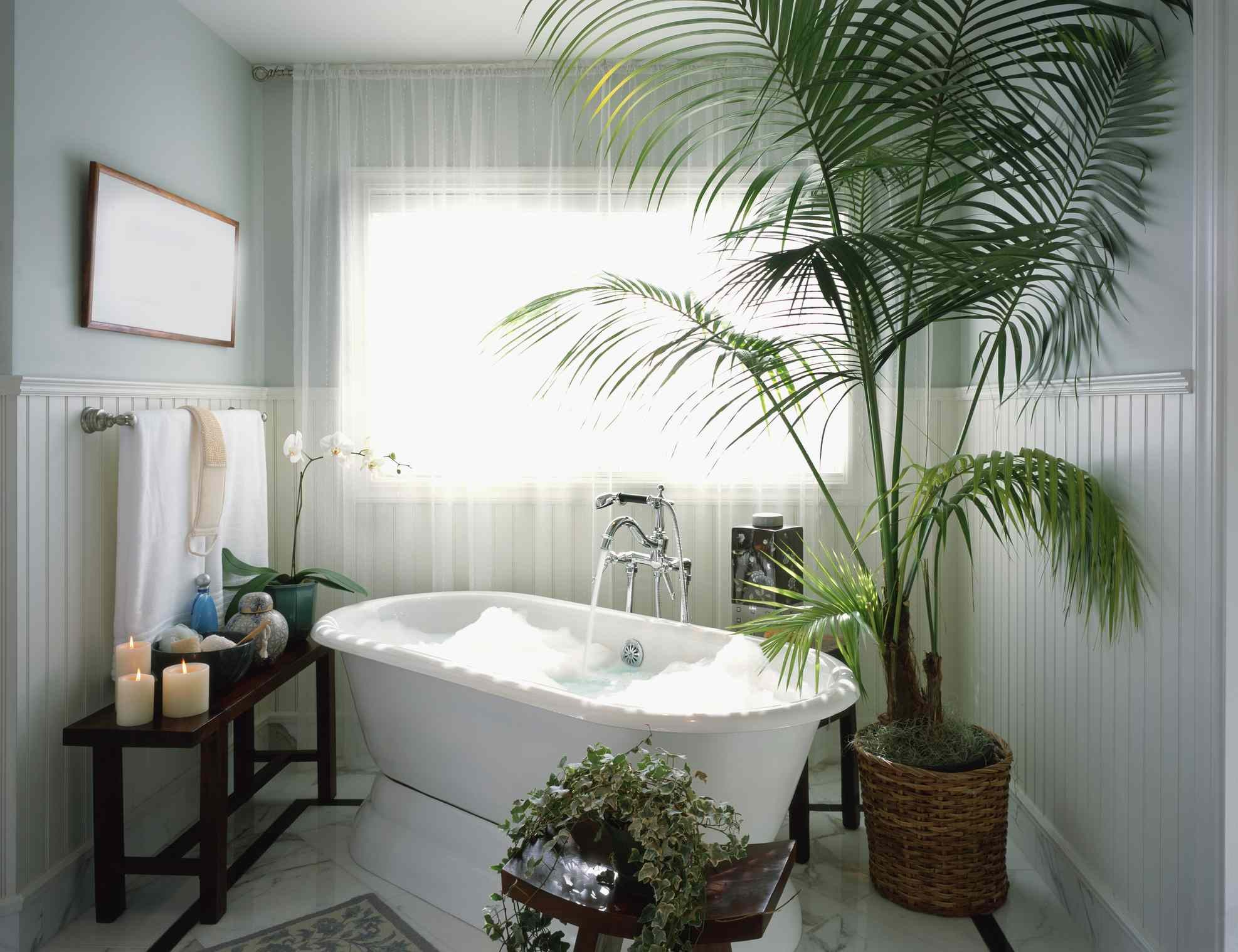
- Parlor Palm: A classic indoor plant that lasts decades with minimal care. It prefers north-facing windows but can survive with less. Note: While nontoxic, cats may still chew on them.
- Pothos (Devil’s Ivy): Ubiquitous for a reason. Golden pothos adapts best to low light, though variegation may be minimal. Neon and variegated types need more brightness.
- Snake Plant: Another low-maintenance survivor. Variegation fades in low light, and flowering is unlikely. East or north-facing windows are ideal, but artificial light works.
- Spider Plant: Tolerates low light and infrequent watering thanks to its water-storing roots. Variegation diminishes in darkness, and blooming/pup production slows down.
- Peace Lily: A popular choice for office lobbies and hallways where maintenance is irregular. It handles low light well but may not flower consistently.
Essential Care in Low Light
Adaptation is key. Don’t shock plants by moving them directly from bright to dim conditions. Water sparingly, allowing the soil to dry between waterings. Dust leaves regularly to maximize light absorption. Artificial grow lights can supplement natural light if needed.
The success of low-light houseplants relies on understanding their limits. These plants can survive in darkness, but they won’t thrive without basic care. Prioritizing proper watering and gradual adaptation will ensure they stay green for years to come.