


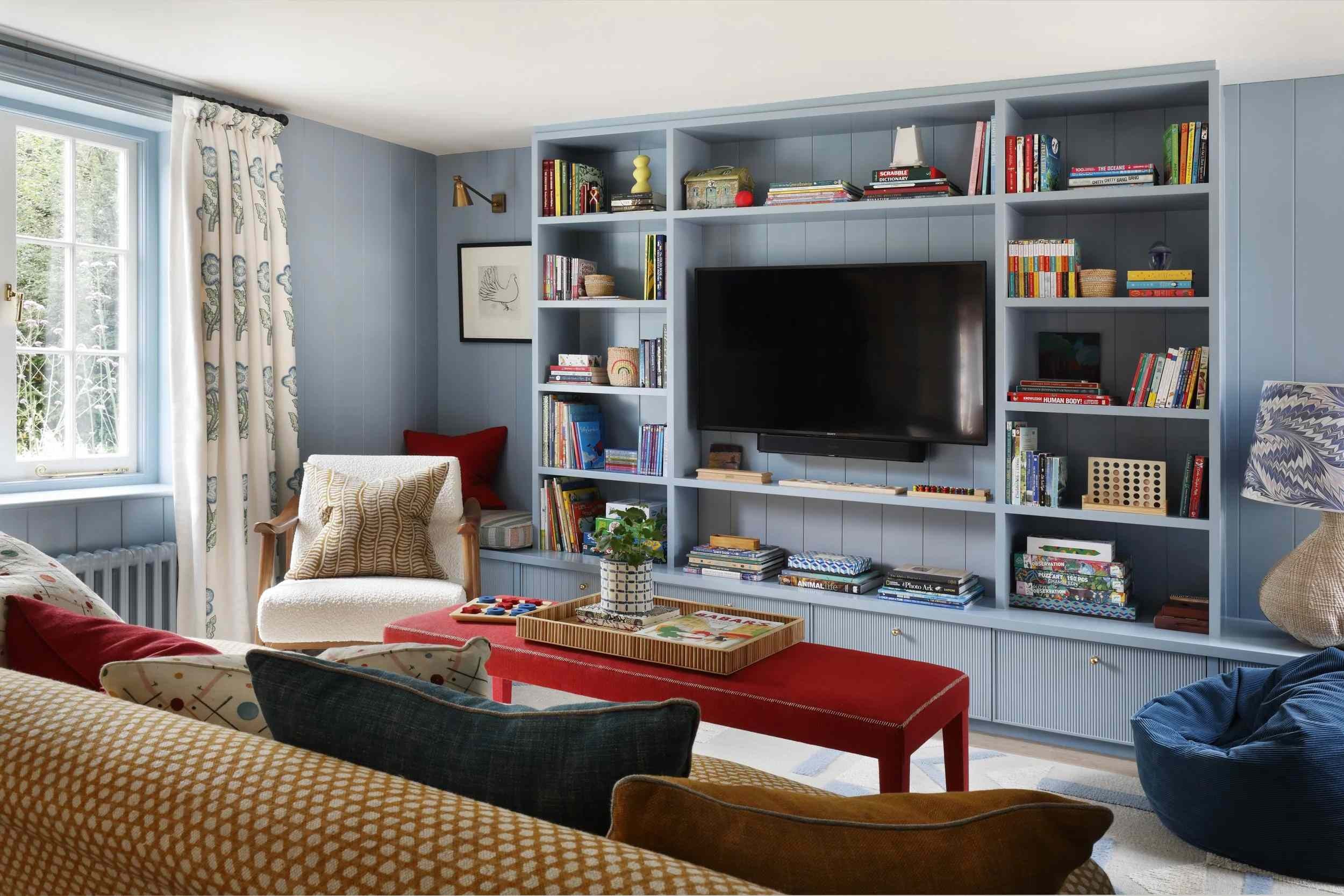
The coffee table book, once a staple of interior design, is gradually being replaced by a more interactive element: well-designed board games and puzzles. Designers and retailers confirm this shift, noting that consumers now prioritize items that combine aesthetic appeal with usability. This trend reflects changing lifestyles and how people engage with their living spaces.
Why the Rise of Games as Decor?
Board games and puzzles aren’t just enjoying a comeback; they’re becoming deliberately placed design objects. The key is quality. Modern games and puzzles are manufactured with premium materials and finishes that complement high-end interiors.
“We see material-driven designs like leather, raffia, lacquered finishes, rich wood tones, and sophisticated color palettes are resonating the most,” says Kate Lesher, GM at Mark & Graham. “The most successful designs feel timeless yet fresh—neutral enough to integrate seamlessly into interior spaces but elevated enough to stand on their own as a statement piece.”
Retailers like Wayfair report high demand for vintage-inspired, heirloom-style games and puzzles, as well as those with striking graphic art. The goal is cohesion : buyers want these items to blend with their existing decor, just as they would with coffee table books.
Games Over Books: A Shift in Living Room Dynamics
The decline of the coffee table book isn’t just about aesthetics. It’s about how we use our living rooms now. Static objects like books are being replaced by interactive ones.
“Coffee table books are static and rarely ever used for more than a place to set a glass,” notes interior designer Nicole Cella of Wayfair Professional. “Design-forward puzzles and games serve as conversation starters, a social activity, and provide an engaging activity for more than one person.”
Games and puzzles create a warmer, more inviting atmosphere. A beautifully crafted backgammon set or mahjong case signals a home designed for gathering, not just display. This trend aligns with broader wellness preferences; games offer a screen-free form of entertainment and foster connection.
The Rise of “Soft Hosting”
Social media trends further fuel this shift. Casual, low-pressure gatherings—dubbed “soft-hosting”—are on the rise, and games provide an instant icebreaker.
“Games encourage ‘soft-hosting’ or casual, low-pressure gatherings that have recently become very popular on social media,” Cella explains.
This makes hosting easier and more spontaneous, turning the living room into a space for shared experiences rather than static presentation.
Ultimately, the move from books to games as decor isn’t just about aesthetics. It’s about creating living spaces that are inviting, social, and designed for connection in an increasingly digital world.


