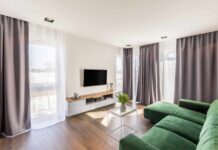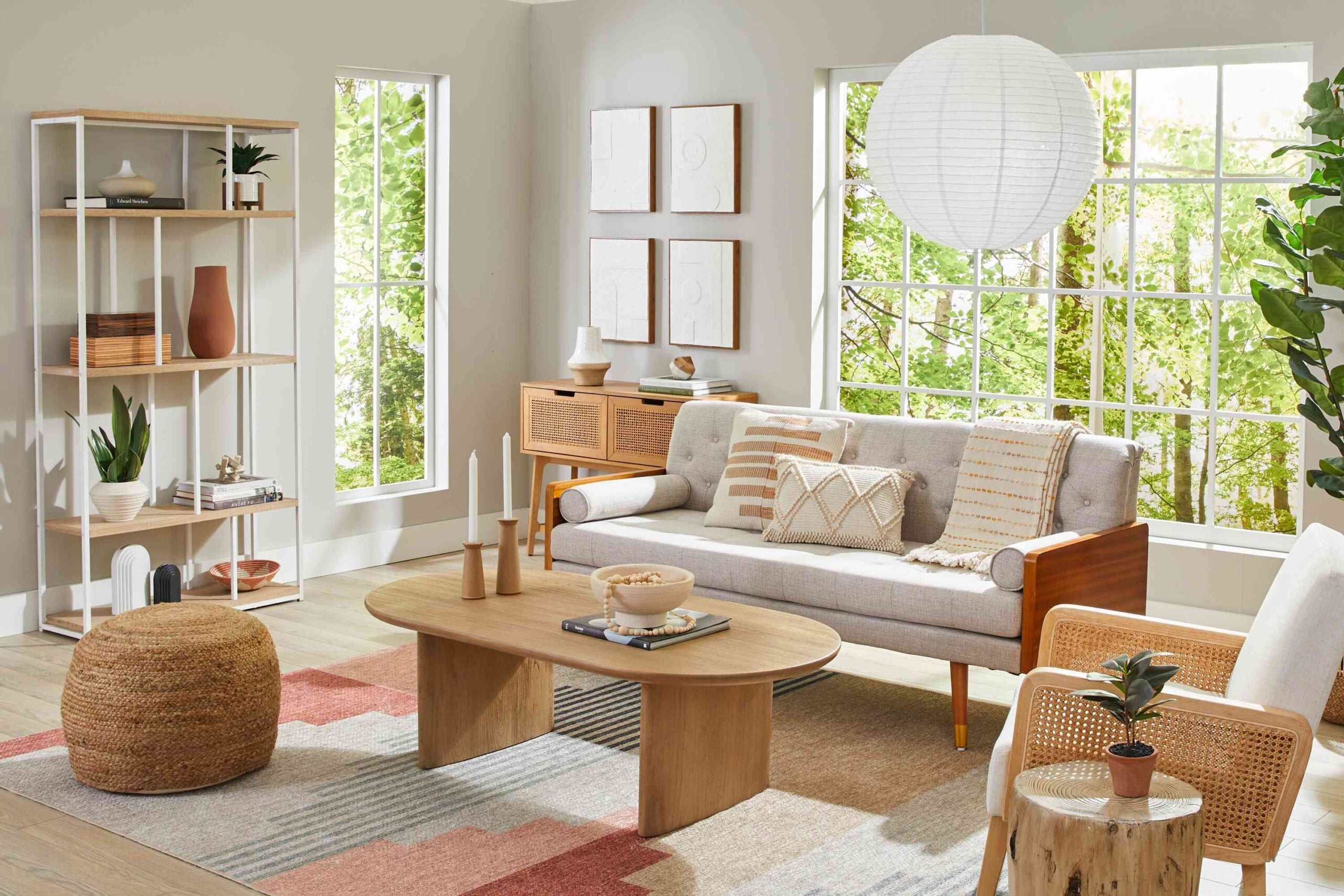
Minimalist living rooms are defined by their simplicity: functional layouts, clean lines, and a deliberate lack of clutter. These spaces prioritize calm and openness, often leveraging natural light and subtle color palettes to create inviting environments. The current trend toward minimalism isn’t new; it builds on a long history of reductive design principles in art, architecture, and everyday life—a counterpoint to the excesses of consumer culture.
Key Elements of Minimalist Design
The following design strategies consistently appear in successful minimalist living rooms:
- Natural Light: Maximize sunlight by using sheer window treatments or leaving windows bare. This creates a warm, inviting atmosphere without visual noise.
- Decluttered Surfaces: Keep coffee tables, shelves, and floors clear. A single vase of seasonal branches can add interest without overwhelming the space.
- Strategic Storage: Built-in shelving, benches with hidden compartments, or midcentury buffets offer functional storage while remaining aesthetically clean.
- Restricted Color Palettes: Limiting colors to shades of white, gray, blue, or natural wood tones creates a unified, tranquil feel.
- Natural Accents: Wood, woven textures, and indoor plants bring warmth and organic elements to otherwise stark spaces.
- Midcentury Modern Influence: This style lends itself well to minimalism, with its clean lines and functional furniture.
- Symmetry and Balance: Arranging furniture symmetrically or using large-scale art pieces can create a sense of order.
Applying Minimalism: Scale and Open Plans
The success of a minimalist design hinges on adapting it to the space.
- Small Rooms: Approach minimalism sparingly; too little decoration can make the space feel sterile.
- Large Rooms: A more generous approach is possible, but still requires attention to scale. Overly sparse rooms can lack warmth and feel empty.
- Open-Plan Living: Cohesive palettes and furniture arrangements define zones without visual barriers. Floating furniture creates flow.
Beyond the Basics: Refined Touches
Minimalism doesn’t require complete austerity:
- Bold Accents: A statement sofa or a colorful rug can inject personality into a neutral space.
- Organic Shapes: Sculptural furniture or natural forms soften the rigidity of minimalist lines.
- Asymmetry: Deliberate imbalance can add character, particularly when highlighting architectural features like brick walls.
- Hidden Tech: Concealing TVs or integrating them into the design keeps the focus on the room itself.
Minimalist design is about intentionality: every element has a purpose, and clutter is ruthlessly eliminated. The result is not just a style but a state of mind—a sanctuary from the noise of modern life.