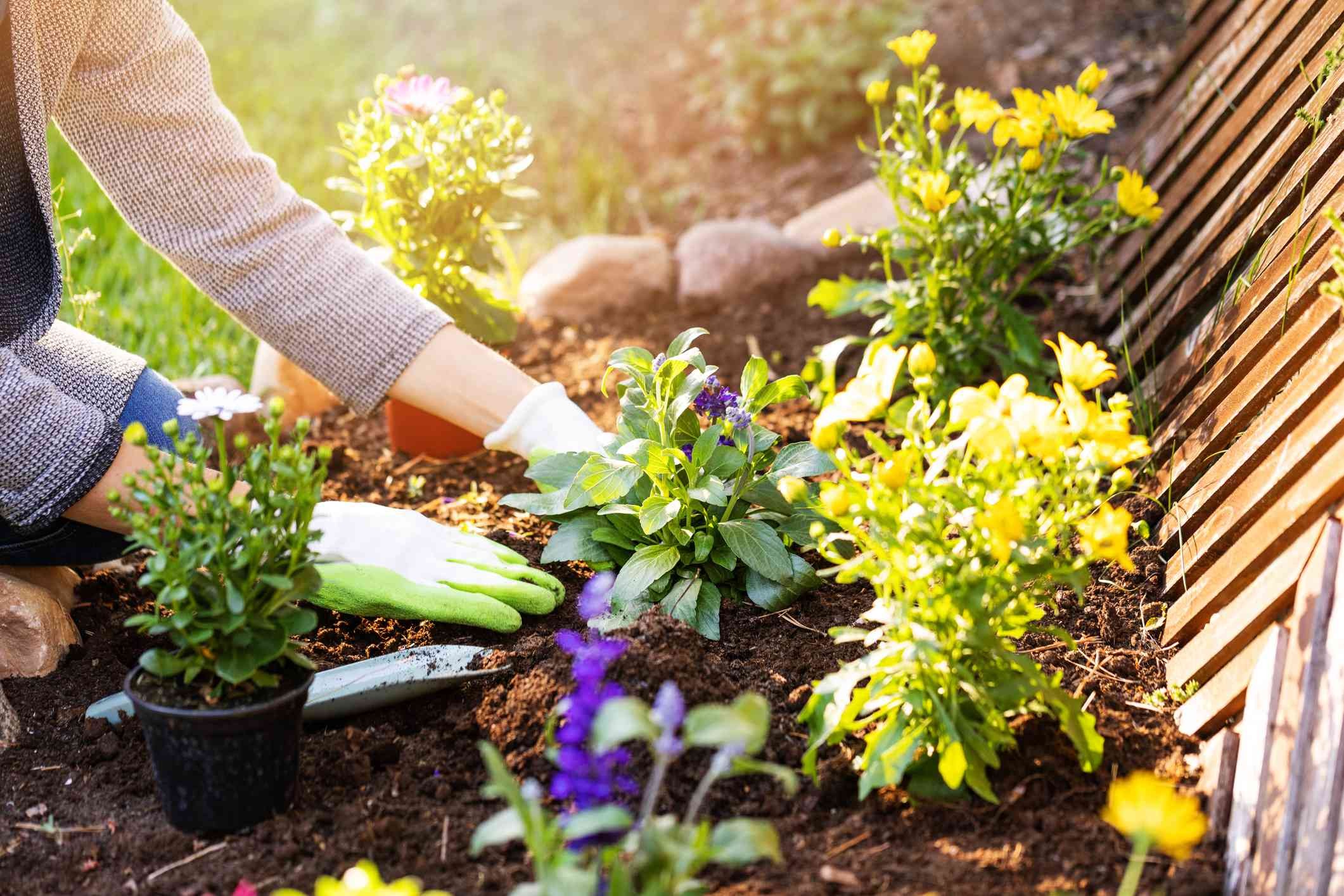
The key to a vibrant garden that thrives throughout spring, summer, and even into autumn isn’t just what you plant, but when and how you combine different species. This guide breaks down the best practices for ensuring non-stop blooms from early spring through the first frost.
Зміст
Understanding Bloom Windows and Plant Combinations
Each plant has a natural flowering period tied to climate. To achieve continuous color, you must strategically mix plants with staggered bloom windows. Relying solely on spring bulbs will leave your garden bare once they fade. Instead, consider a mix of annuals, perennials, bulbs, and flowering shrubs to create a layered effect.
Annuals (marigolds, zinnias, cosmos) offer fast growth and instant color from seed, while perennials (Shasta daisies, coneflowers, blanket flowers) provide a longer-term backbone for your garden. Bulbs (tulips, daffodils, hyacinths) provide early-season color, but require careful planning to ensure they don’t peak too early and leave gaps in the bloom cycle.
Soil, Climate, and Timing: The Foundation for Success
Planting success depends on adapting to your local conditions. Soil composition, pH levels, and sun exposure will dictate the best species for each planting area. A soil test (either DIY or through your local extension office) is crucial.
Furthermore, knowing your region’s final frost date is essential. Start seeds indoors earlier in colder zones, or direct-sow later when the soil warms. Some seeds require cold stratification, meaning they need a period of cold exposure to germinate.
Extending the Season with Planting Intervals
The trick to continuous blooms is spreading out planting times. As early spring flowers fade, ensure others are ready to take their place.
- Interplanting: Scatter zinnia or cosmos seeds among fading bulbs to create a second bloom window and hide foliage as it dies back.
- Successive Planting: Divide spring perennials (like lupines and speedwell) and plant divisions to fill bare spots as the season progresses.
- Summer Bloomers: Salvias and coneflowers, planted after the final frost, can flower in just four to six weeks and continue through summer.
Leveraging Annuals for Constant Color
Annuals are your secret weapon for filling gaps and extending the season. Wax begonias, impatiens, calibrachoa, and alyssum are reliable options that spread quickly and bloom profusely in pots, hanging baskets, or as ground cover. The flexibility to move containers also allows you to fill bare spots or adjust as the season changes.
Think Long-Term: Foundation Plants for Year-Round Interest
Don’t neglect flowering shrubs and small trees. These add structure, height, and focal points to your garden. While spring planting may not yield immediate blooms, it lays the groundwork for future color. Consider lilacs, viburnums, forsythia, smooth hydrangeas, redbuds, dogwoods, and Yoshino cherries.
A well-planned garden isn’t just about flowers; it’s about timing, layering, and anticipating the entire growing season.
By combining these techniques, you can ensure that your garden remains vibrant and colorful from spring through autumn. The key is to think ahead, adapt to your local conditions, and embrace the power of strategic plant combinations.