


Many homes, particularly older ones, rely on radiators for heat. However, these systems aren’t always optimized for efficiency. Whether you’re overheating or freezing, simple adjustments can make a significant difference in how well your radiator performs. Here’s what heating professionals recommend to get the most out of your system.
Understanding Radiator Controls
Both modern and older radiators often feature a control dial, usually found near the bottom. If your radiator has numbered settings (1-5, or similar), you can independently adjust its heat output. Glenn Gault, owner of Gault Heating & Cooling, explains that these dials allow precise temperature control. If the valve is capped (a “lock shield valve”), it means heat is controlled centrally, typically by the building’s thermostat.
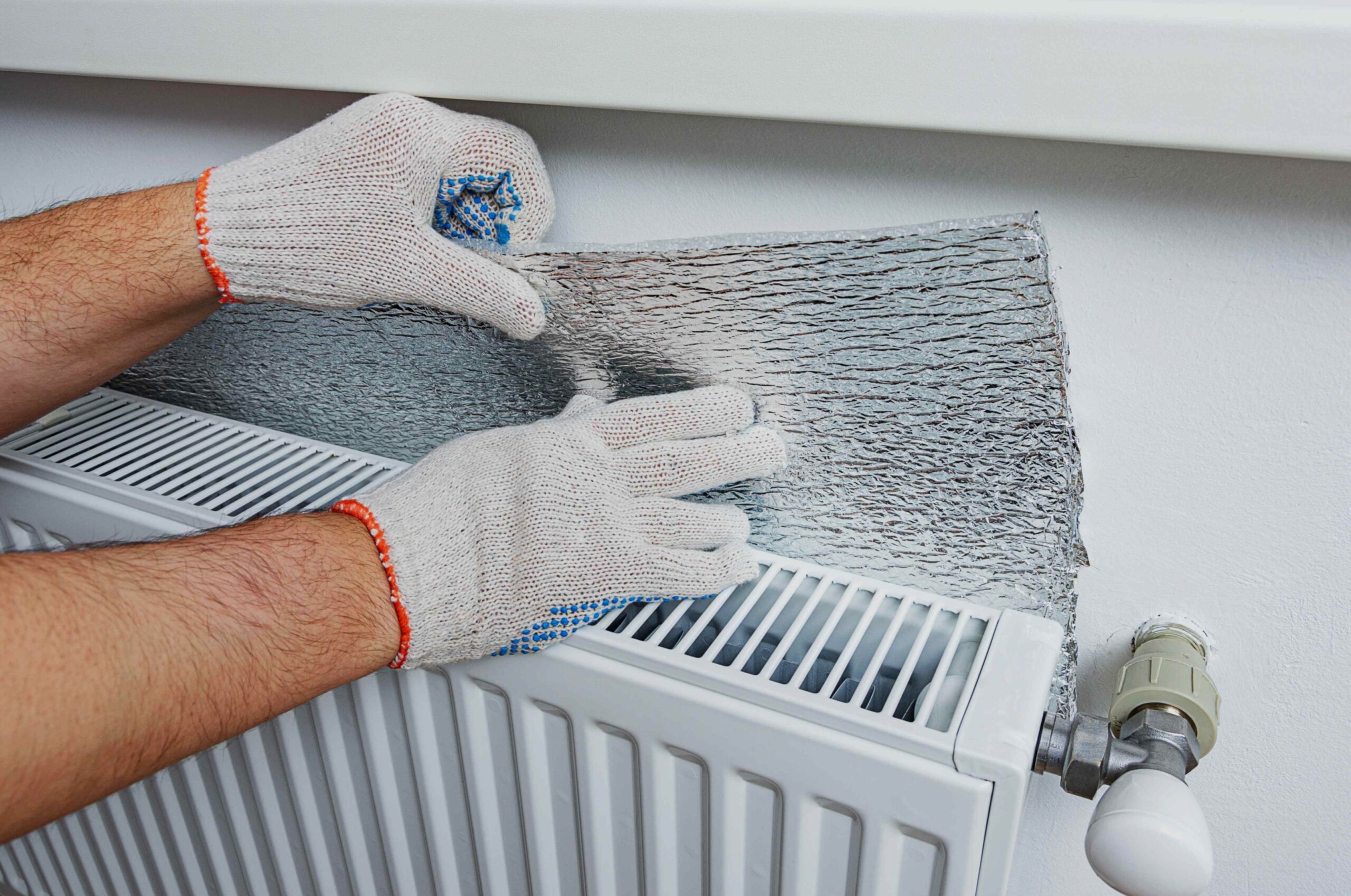
If you don’t have individual control, there are still ways to adapt: partially covering a radiator with a blanket or thick curtain can absorb excess heat, while cracking a window can reduce overheating in a dry room. Reflective foil behind the radiator directs heat back into the space instead of letting it absorb into the wall.
Optimizing Heat Distribution
Radiators heat surfaces first, then the air. Removing obstructions like furniture or curtains allows more heat to radiate freely. Air trapped inside radiators reduces efficiency, so bleeding them (releasing trapped air) is crucial. For steam systems, draining sediment from the boiler improves water heating ability. Scott Levene of Levco Oil, Propane, and HVAC, notes that maintaining proper boiler temperature ensures heat reaches the room instead of being lost to the walls.
Addressing Drafts Near Windows
Radiators placed near drafty windows waste energy as cold air pulls heat away. Newer double- or triple-glazed windows mitigate this issue, but older single-glazed windows require attention. If you feel or hear drafts, sealing gaps is the priority. Caulking, weatherstripping, or even replacing blinds can make a difference. Radiator shelves or windowsill deflectors redirect heat into the room instead of letting it escape.
“The first plan of action is to seal any gaps to stop cold air from overpowering the radiator’s output,” Levene says.
These adjustments aren’t just about comfort; they’re about conserving energy. Efficient heating means lower bills and a more sustainable approach to winter warmth.
In conclusion, maximizing radiator efficiency involves understanding your system’s controls, optimizing heat distribution, and addressing drafts. Simple DIY fixes can significantly improve comfort and reduce energy waste, making your heating setup work for you, not against you.


