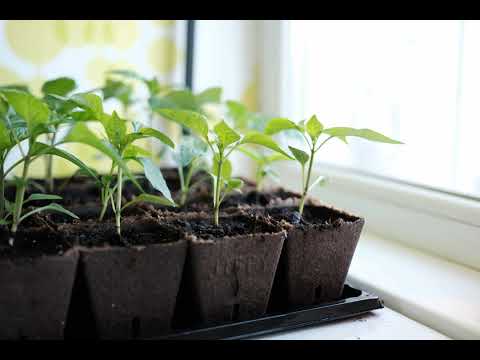
Peppers thrive with an early start indoors, ensuring a robust yield when the weather warms. Timing is crucial – starting too early leads to overgrown seedlings, while waiting too long can shorten the growing season. Here’s a guide to get your pepper plants off to the best possible start.
Зміст
Start Seeds 6–8 Weeks Before the Last Frost
The optimal time to sow pepper seeds indoors depends on your region’s last frost date. Generally, experts recommend starting them 6 to 8 weeks before this date, which typically falls between March and April in many temperate climates. This gives seedlings a head start without outgrowing their indoor space.
This matters because peppers take a relatively long time to mature. Starting them early ensures they’re ready for transplanting when conditions are favorable, maximizing the harvest window.
Transplant When Soil Warms Up
Transplanting outdoors should happen several weeks after the last frost, when night temperatures consistently exceed 55°F (13°C). Soil temperature is equally critical; warm soil encourages healthy root development.
“Pepper plants are very cold sensitive, so planting outdoors should happen a few weeks after the last frost date and when night temperatures are above 55°F,” says gardening expert Natasha Grosskopf. “The soil temperature needs to be warm enough for the plant to thrive.”
This timing is essential because peppers suffer from cold shock. Premature transplanting can stunt growth or even kill young plants.
Best Practices for Seed Starting & Transplanting
Follow these tips to ensure success:
- Shallow Planting: Sow seeds only ¼ inch (6mm) deep. Deeper planting can hinder germination.
- Consistent Moisture: Keep the soil moist but not soggy. Daily watering is often necessary, especially during germination.
- Warm Conditions: Maintain a soil temperature between 70–75°F (21–24°C). Use a heat mat if needed.
- Harden Off Seedlings: Gradually expose seedlings to outdoor conditions (wind, sun, temperature) before transplanting. This prevents shock and promotes resilience.
“Pepper plants may be stunted, damaged, or not survive if they get too chilly… It’s always a good idea to ‘harden off’ your plants and expose them to the outdoor elements before transplanting.”
Conclusion
Starting peppers indoors 6–8 weeks before the last frost, followed by careful transplanting when soil temperatures are warm, will ensure a healthy and productive harvest. Consistent moisture, warmth, and gradual acclimation are essential for success. By following these steps, you’ll maximize your pepper yield and enjoy a colorful, flavorful garden.