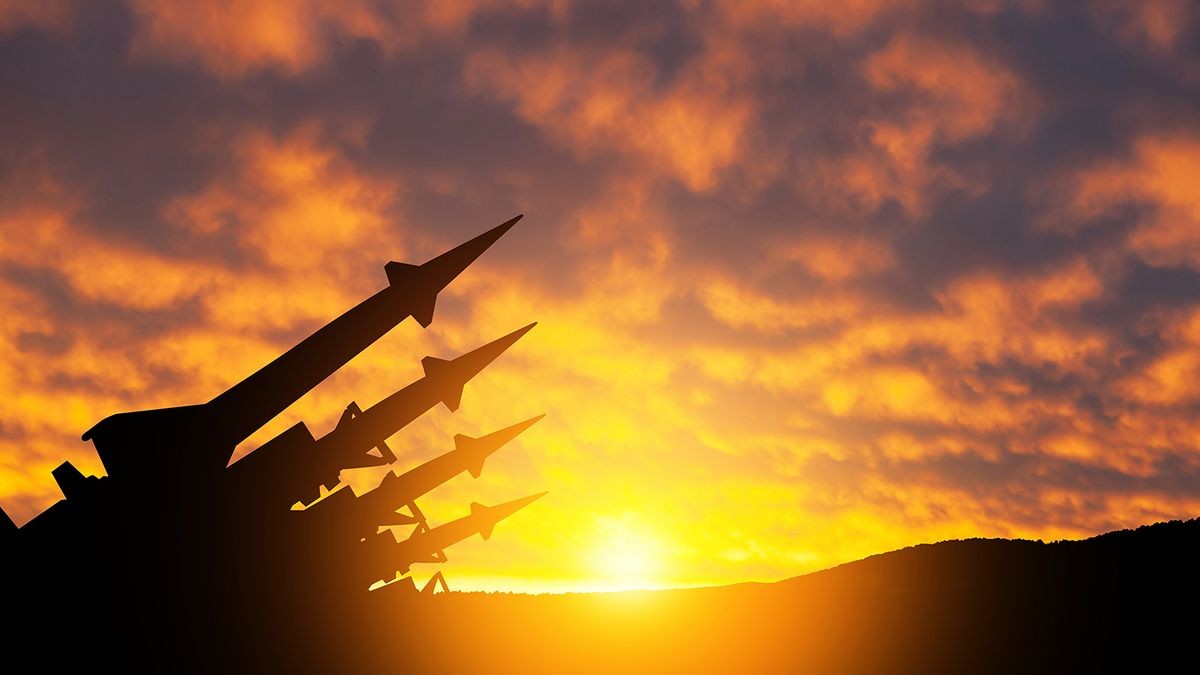
Nine nations currently possess nuclear weapons, shaping global security and fueling ongoing debates about deterrence, arms control, and the potential for catastrophic conflict. Russia holds the largest nuclear arsenal, followed closely by the United States, with China rapidly expanding its capabilities. Understanding this distribution of power requires examining the historical context and current trends in nuclear proliferation.
Зміст
The Russian Arsenal: A Legacy of the Cold War
Russia inherited the bulk of its nuclear arsenal from the former Soviet Union, maintaining an estimated 5,580 nuclear warheads as of 2024. This includes both active military stockpiles and retired weapons awaiting dismantlement. Russia’s nuclear forces are structured around a triad of land-based intercontinental ballistic missiles (ICBMs), submarine-launched ballistic missiles (SLBMs), and long-range strategic bombers.
In 2023, Russia suspended its participation in the New START arms control treaty, though it claims to continue adhering to its limits. This move raises concerns about future arms negotiations and transparency in nuclear deployments.
The United States: First Mover and Continuing Power
The United States first developed nuclear weapons during World War II, detonating atomic bombs over Hiroshima and Nagasaki in 1945. This act initiated the modern nuclear arms race. Today, the U.S. maintains approximately 5,044 nuclear warheads, also deployed across ICBMs, SLBMs, and strategic bombers.
American nuclear policy remains central to its national security strategy, underpinning alliances with European nations and key partners in East Asia. The U.S. continues to modernize its nuclear infrastructure, ensuring its dominance in the field.
China’s Rapid Expansion: A New Arms Race?
China tested its first nuclear weapon in 1964 and has steadily expanded its capabilities since. However, recent years have seen an acceleration in this growth. By early 2025, China is estimated to possess at least 600 nuclear warheads, adding roughly 100 new weapons annually since 2023.
This rapid buildup has alarmed nuclear policy experts, who fear it could trigger a new arms race. China’s stated “no first use” policy does not fully quell concerns about its expanding nuclear arsenal.
The Global Inventory and Disarmament Trends
The total global inventory of nuclear weapons stands at approximately 12,241 warheads as of 2025, with roughly 9,614 of those in military stockpiles. While the number of weapons declined after the Cold War due to disarmament efforts by the U.S. and Russia, this trend has slowed.
Some experts now warn that nuclear disarmament may be reversing, as new weapons programs expand in several countries. This stagnation, combined with geopolitical tensions, increases the risk of escalation and potential nuclear conflict.
The current state of nuclear arsenals underscores the enduring relevance of arms control treaties and diplomatic efforts to prevent proliferation. Without sustained engagement and transparency, the world faces an increasingly unstable nuclear landscape.
The world’s nuclear powers remain locked in a delicate balance of deterrence, with each nation’s arsenal shaping the strategic calculus of others. The rapid expansion of China’s nuclear forces, in particular, adds a new layer of complexity to this dynamic.