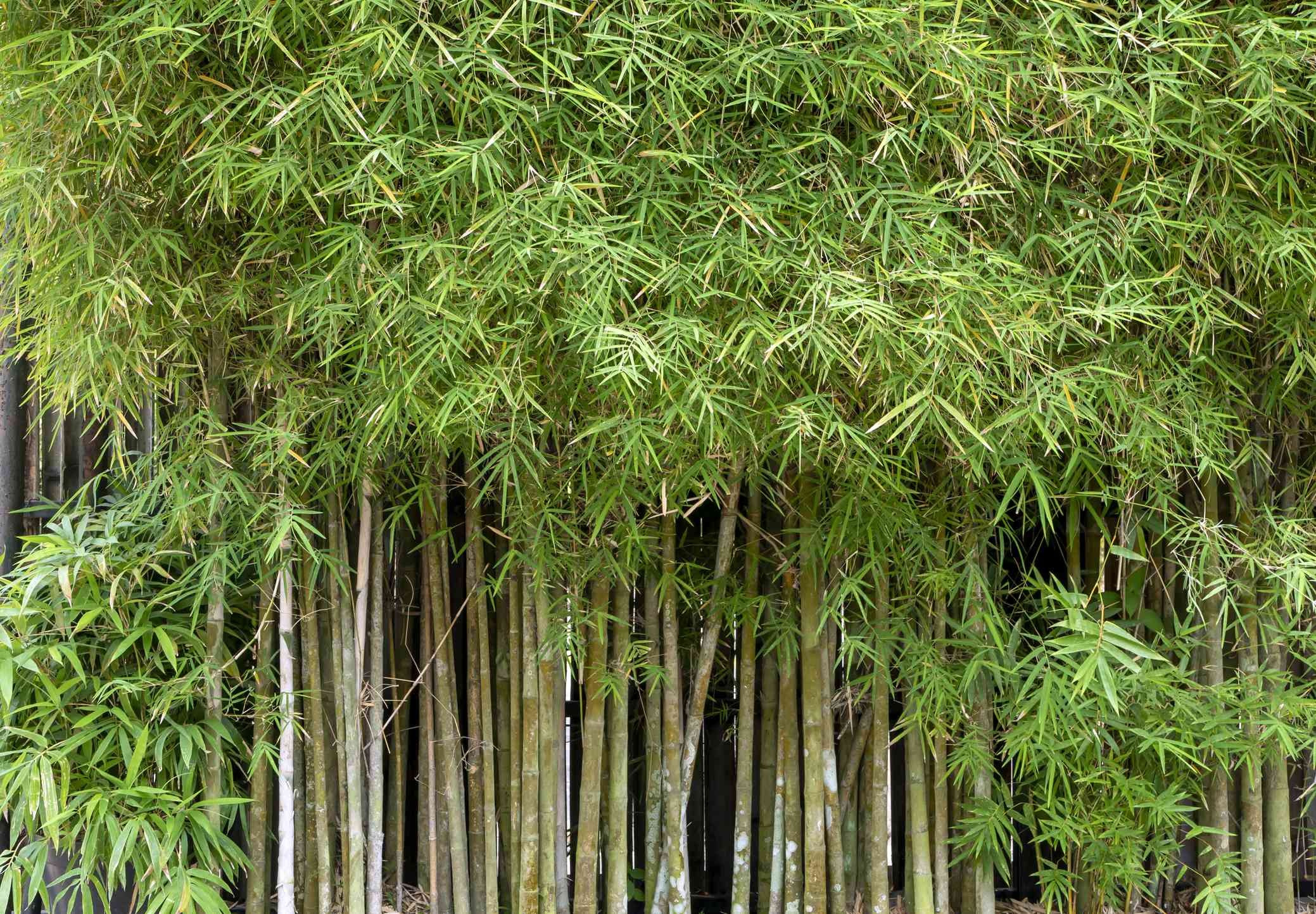
Bamboo, while visually appealing, presents a significant risk to homeowners and local ecosystems. Despite its rapid growth and potential use as a natural fence, common bamboo (Bambusa vulgaris) is now widely regulated or outright prohibited in many areas due to its aggressively invasive nature. Understanding the consequences of introducing this plant into your yard is crucial before planting.
Зміст
Legal Restrictions and Financial Penalties
Growing common bamboo can violate local laws in states like New York, Connecticut, Arizona, and Florida, where it’s classified as an invasive species. Municipalities and counties across the eastern seaboard, Midwest, California, and the Pacific Northwest also impose strict containment requirements. Violations can result in fines, restitution orders for property damage, and legal disputes with neighbors. Before planting, always verify local regulations to avoid potential penalties.
Rapid, Unstoppable Growth
Common bamboo spreads via underground runners and rhizomes, extending up to 15 feet in every direction. It grows up to 15 feet annually, reaching heights of 40 feet in warmer climates. This aggressive growth isn’t just fast; it’s destructive. Strong, fibrous roots can penetrate driveways, patios, foundations, and even underground utilities. A single plant can form a 10×10 foot grove within years.
Containment is Nearly Impossible
Bamboo regenerates from even the smallest root fragment, making total eradication almost impossible. Runners burrow deep (3 feet) and can break through containment barriers. Proper barriers are expensive, requiring significant effort and hundreds of dollars in materials. Consistent monitoring and aggressive removal of escaped runners are necessary to prevent spread, but even that may fail.
Ecological Disruption
Only one bamboo genus, Arundinaria (river cane), is native to the U.S. All others, especially running types like common bamboo, are non-native and disrupt local ecosystems. Unchecked spread transforms diverse landscapes into monocultures, crowding out native plants and reducing habitat for wildlife, birds, and insects. This can dramatically degrade the biodiversity of surrounding areas.
Safer Alternatives
If you need a natural fence or privacy screen, consider planting native or adapted evergreens, shrubs, or small trees instead. These alternatives provide similar benefits without the destructive invasive potential. Prioritizing native species also supports local ecosystems and avoids legal complications.
Growing common bamboo may seem simple, but the risks far outweigh the benefits. The plant’s aggressive growth, legal restrictions, and ecological damage make it a poor choice for responsible landscaping.