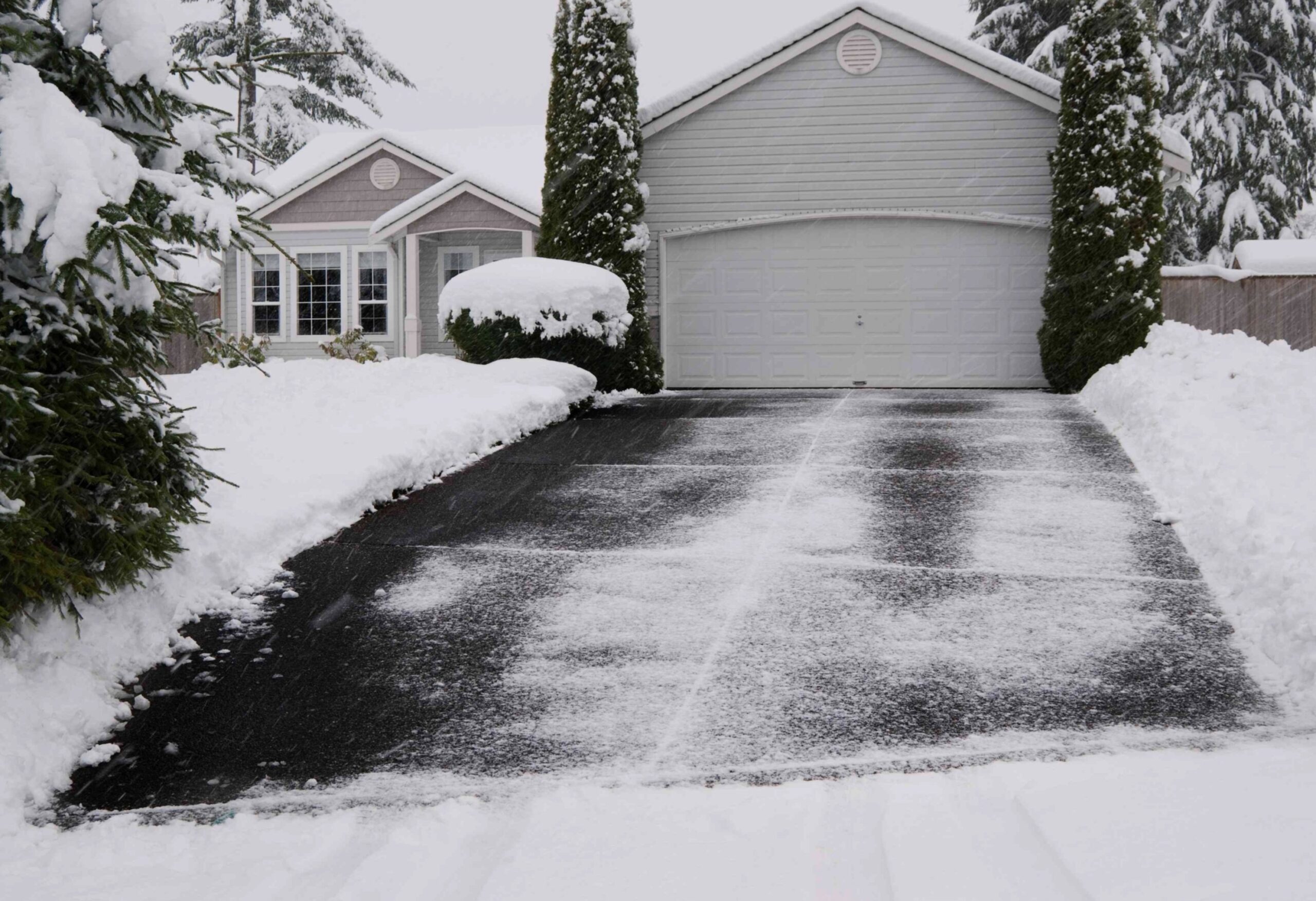
Baking soda (sodium bicarbonate) can serve as a milder, more environmentally friendly substitute for traditional de-icing salts. While effective at melting ice, it’s crucial to understand its limitations: baking soda works best in temperatures slightly above freezing (32°F) and requires careful application for optimal results.
Зміст
Why Consider Baking Soda?
Traditional de-icing salts, primarily rock salt (sodium chloride), are known for their corrosive properties. They damage metal, deteriorate concrete, and harm surrounding ecosystems by increasing soil salinity and contaminating water sources. Baking soda, on the other hand, is less aggressive. It won’t dissolve concrete or corrode surfaces as quickly, making it a preferable option for those concerned about long-term driveway health.
Effectiveness Compared to Rock Salt
Baking soda melts ice, but it does so more slowly than rock salt. This difference matters because speed is often critical in winter conditions. To improve its effectiveness, experts recommend using a sieve or strainer when applying baking soda to ensure even coverage. Uneven distribution leads to patchy melting and wasted product.
Environmental Impact: A Key Benefit
The environmental downsides of rock salt are significant. Excessive use harms plant life by disrupting water and nutrient absorption, and toxic levels of chloride can accumulate in freshwater ecosystems. While baking soda also contains sodium, its impact is less severe, making it a more sustainable choice.
Application Tips for Best Results
- Temperature: Baking soda is most effective when the temperature is just below freezing.
- Even Distribution: Use a sieve to spread the baking soda evenly.
- Quantity: Apply generously, but without the same caution needed for rock salt.
Other Alternatives
If baking soda doesn’t quite cut it, other household items can provide some assistance:
- Hot water: A temporary fix, but effective for small areas.
- Vinegar and water: A mild solution for thin layers of ice.
- Sand, cat litter, or coffee grounds: Won’t melt ice, but provide traction.
Conclusion: Baking soda is a viable, safer alternative to rock salt for de-icing driveways, particularly in moderate winter conditions. While it may require more frequent application and isn’t as powerful as traditional salts, its reduced environmental impact and gentler effects on surfaces make it a worthwhile option for homeowners seeking a more responsible approach to winter maintenance.