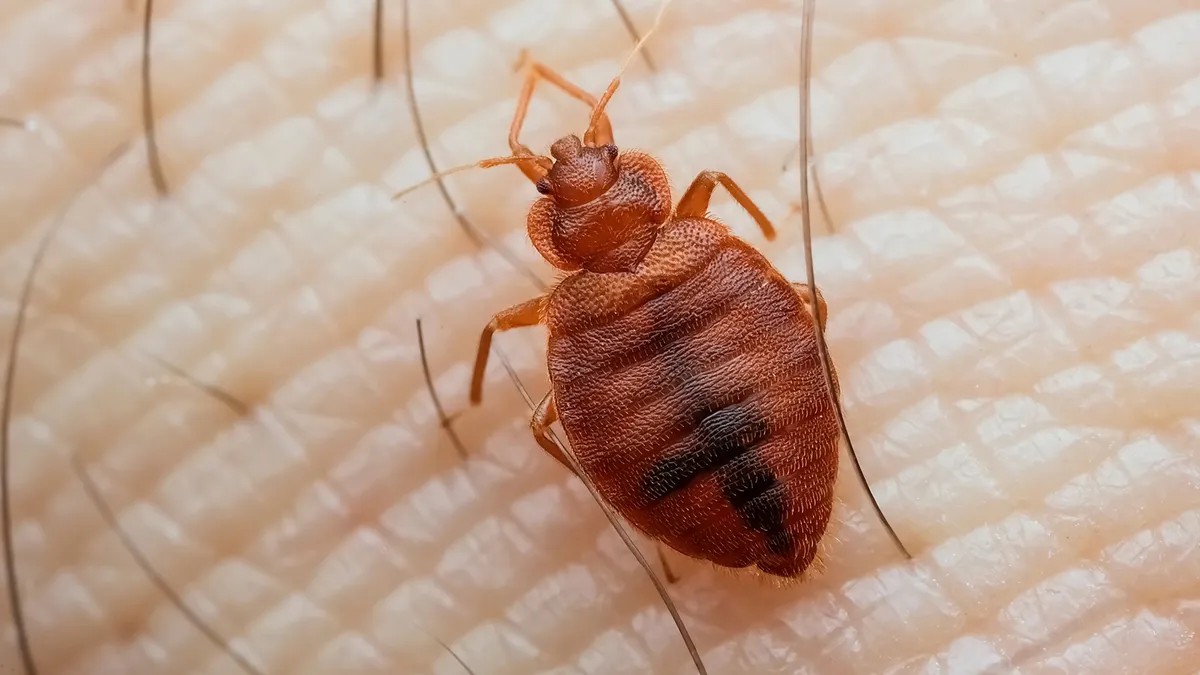
Bed bugs aren’t a recent problem born of uncleanliness; they’ve shadowed humans for millennia, evolving alongside us as opportunistic pests. The question of where they originate isn’t about a specific location, but about a long-term coevolution with warm-blooded hosts, eventually settling on humans as their preferred food source.
Зміст
The Deep Roots of Bed Bug Evolution
The most common species plaguing homes today, Cimex lectularius, likely began by feeding on bats and other mammals. As humans transitioned from nomadic lifestyles to permanent dwellings, bed bugs adapted to the new, stable food supply. This shift wasn’t sudden: it was a gradual process driven by the reliability of human blood compared to less predictable wild hosts.
This is critical because it means bed bugs aren’t simply a matter of poor hygiene. They are an ancient problem that has adapted to human civilization, not because of it.
The Spread Through Trade and Travel
Once bed bugs discovered humans as a host, they never turned back. Their spread mirrors the expansion of human trade routes and travel. As global commerce grew, so did the ease with which these tiny hitchhikers could move from place to place. Today, they hitch rides in luggage, furniture, and even on public transport.
Airplanes, hotels, and retail spaces are all potential vectors for infestations. This isn’t about dirty environments; it’s about the sheer efficiency of modern travel facilitating their dispersal.
The Biology of a Successful Pest
Bed bugs thrive because they’re designed to survive. They prefer warm, dark spaces near sleeping areas: mattress seams, bed frames, and cracks in walls. Adult bugs can live over a year without feeding, making them incredibly resilient.
Their hiding habits and resistance to some pesticides explain why “bug bombs” rarely solve infestations. Professional pest control often relies on heat treatments to ensure complete eradication.
Prevention and Awareness
The most effective defense against bed bugs is vigilance. Inspect hotel rooms, regularly check mattresses, and avoid bringing used furniture indoors without careful examination. When traveling, store clothes in sealed bags and wash them in hot water with high heat drying immediately upon returning home.
Bed bugs aren’t just a nuisance; they are a testament to the adaptability of pests in the face of human expansion. Understanding their history and biology is the first step toward effective prevention.