
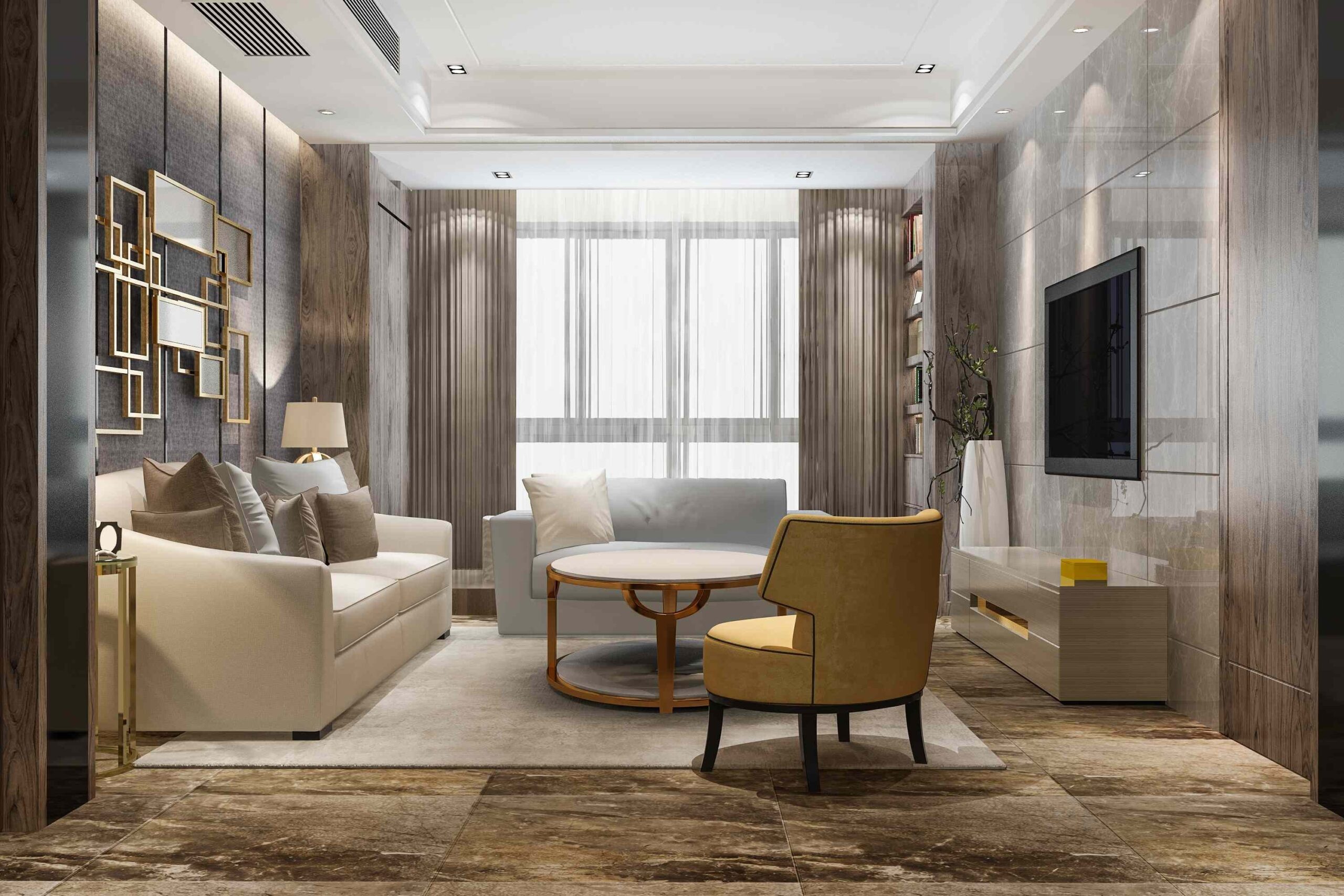
Interior designers overwhelmingly agree: high-gloss paint on walls is a fast track to a dated, cheap-looking space. While it can work in niche applications, using it across large wall surfaces introduces glaring imperfections and an overall tacky aesthetic. This isn’t about taste; it’s about how light interacts with surfaces, and high-gloss amplifies flaws that other finishes would mask.
Зміст
Why High-Gloss Fails on Walls
The issue is reflectivity. High-gloss bounces light aggressively, exposing every uneven seam, repair mark, and texture variation. Unlike matte or eggshell finishes, which absorb light and create a softer appearance, high-gloss highlights imperfections. This makes even minor flaws appear magnified, giving walls a cheap or unfinished look.
According to designer Amanda Bell, it’s a finish to avoid unless you’re prepared for professional-grade prep and application. “It demands precision, expert prep, and flawless application,” she explains. DIY attempts often fall short, resulting in noticeable streaks and an overall poor finish.
Designer Brittny Button agrees, adding that high-gloss can make walls look… sweaty. The extreme sheen doesn’t create an elevated look; it cheapens it. She only recommends high-gloss for deliberate statement pieces, such as banisters.
Better Alternatives: Choosing the Right Sheen
The alternative isn’t just avoiding high-gloss, but choosing the correct finish for each space:
- Kitchens & Bathrooms: Satin or semi-gloss are durable, cleanable, and resist moisture.
- Bedrooms & Living Rooms: Matte or eggshell soften light, creating a calmer and more sophisticated atmosphere.
These finishes offer practicality and aesthetics, avoiding the harshness of high-gloss.
What If You’re Stuck With High-Gloss?
If repainting isn’t an option, there are stopgap solutions:
- Light Sanding: Reduces the shine, though this may not be ideal for renters.
- Peel-and-Stick Wallpaper: A renter-friendly way to cover the glossy finish entirely.
Beyond High-Gloss: Other Paint Mistakes to Avoid
Designers also flag these common paint pitfalls:
- Ultra-Bright White: Feels clinical and stifling rather than open. Deep, rich colors create more depth.
- Overused Gray: Particularly the “millennial gray” trend, which designers consider outdated. Instead, opt for inky navies or blues with green undertones.
- Harsh, Flat Hues: Lack nuance and depth. Choose colors with subtle undertones that reflect light without being abrasive.
The key takeaway is that paint isn’t just about color; it’s about how the finish interacts with light and texture. Choosing the wrong sheen can undermine even the most carefully selected shade.
Ultimately, good design relies on understanding these nuances. Avoiding high-gloss on walls and choosing appropriate finishes for each space will elevate your home’s aesthetic and avoid the tacky look designers consistently warn against.