


Trees with heart-shaped leaves offer a unique and charming touch to any garden. Selecting the right species can bring beauty beyond just the foliage, with options for vibrant fall colors, fragrant blooms, and interesting growth habits. Here’s an overview of 15 trees that will add a touch of love to your outdoor space.
Зміст
Unique Flowering and Foliage Trees
Many trees combine heart-shaped leaves with other desirable traits. The Dove Tree (Davidia involucrata), also known as the Handkerchief Tree, boasts striking red flowers framed by large white bracts that flutter in the wind. It thrives in USDA Zones 6-8, preferring full to partial sun and growing to 20-60 feet tall.
Another standout is the Katsura tree (Cercidiphyllum japonicum), notable for its heart-shaped leaves and stunning fall color, transitioning from yellow to purple. This tree prefers zones 4-8, grows 40-60 feet tall, and adds a touch of uniqueness to any yard.
Trees with Dynamic Seasonal Interest
Some heart-leaf trees excel in seasonal displays. The Quaking Aspen (Populus tremuloides), hardy in zones 1-6, is famous for its leaves that tremble in the slightest breeze and turn brilliant gold in the fall. Its smooth, light bark and spreading root system make it a distinctive addition to landscapes.
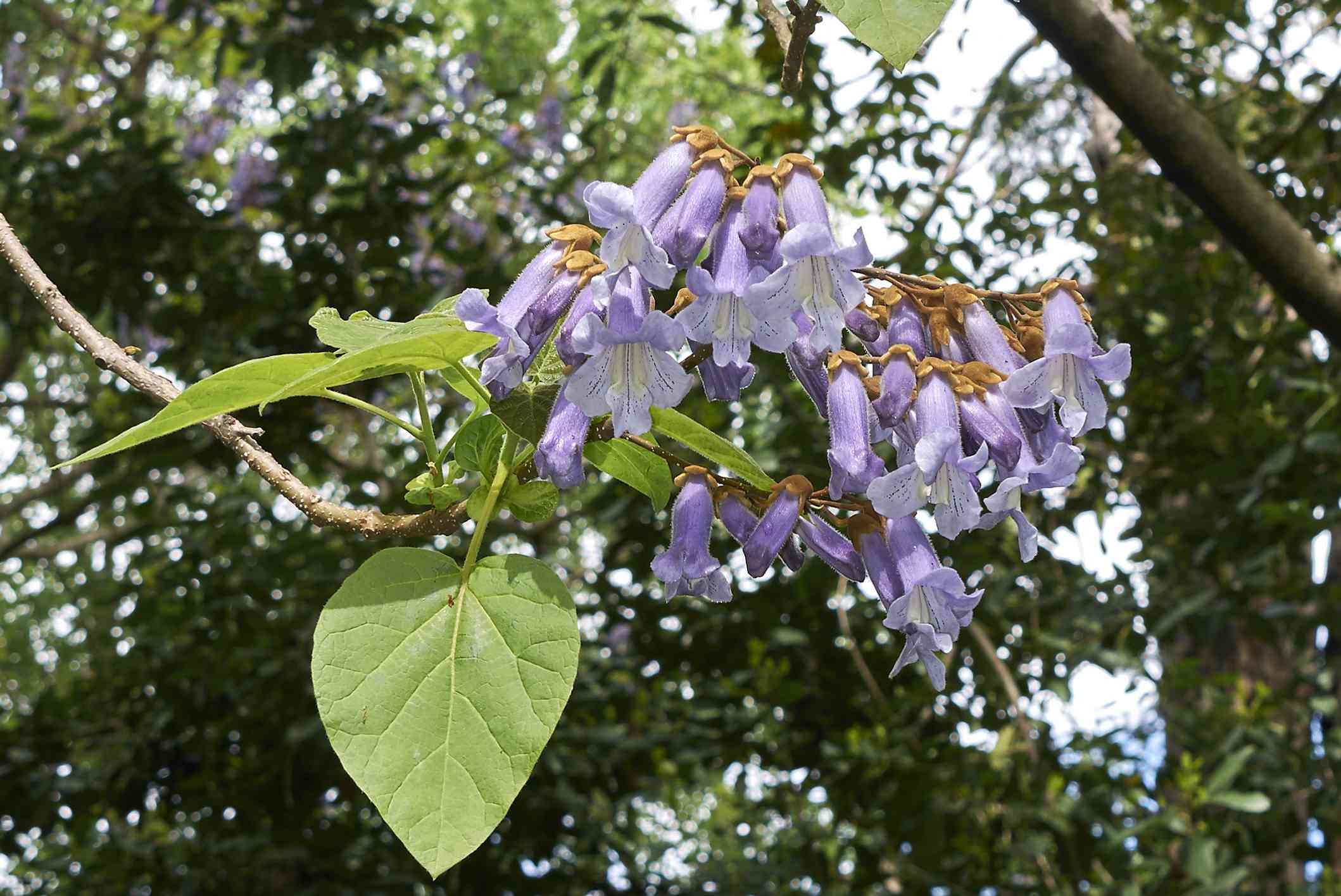
The Empress Tree (Paulownia tomentosa), suited for zones 5-8, offers fragrant lavender blooms and rapid growth, but spreads aggressively via seed. Gardeners must manage its spread carefully.
Classic and Versatile Options
Several classic trees also feature heart-shaped leaves. Little-Leaf Linden (Tilia cordata), zones 3-7, presents dense foliage with smaller, heart-shaped leaves. It yields small nuts attached to wing-like bracts. The larger American Basswood (Tilia americana), zones 2-8, has even larger leaves and showier bracts.
The Japanese Tree Lilac (Syringa reticulata), zones 3-7, is a disease-resistant alternative to shrub lilacs, offering white blooms and heart-shaped leaves free from powdery mildew when spaced properly.
Robust and Adaptable Choices
For tougher conditions, consider the Balsam Poplar (Populus balsamifera), hardy in zones 2-6. Its heart-shaped leaves have a resinous scent, making it a good choice for pollution-tolerant street trees.
The Italian Alder (Alnus cordata), zones 5-7, thrives in Mediterranean-like climates but struggles in hot, humid conditions. Its glossy, heart-shaped leaves add a touch of elegance to the right landscape.
Exotic and Uncommon Beauties
For tropical or warmer climates, the Sacred Fig (Ficus religiosa), zones 10-12, offers evergreen heart-shaped leaves and a rich history as the tree under which Buddha attained enlightenment.
The Eastern Redbud (Cercis canadensis), zones 5-9, is a classic flowering tree with small, pink blooms before leaves emerge. Its dark green, heart-shaped foliage remains attractive throughout summer. The weeping cultivar, Ruby Falls Weeping Redbud (Cercis canadensis ‘Ruby Falls’), offers a compact, cascading form.
Additional Options
The Weeping White Mulberry (Morus alba ‘Pendula), zones 4-8, provides an attractive, weeping habit. The Northern Catalpa (Catalpa speciosa), zones 4-8, has long bean-like seed pods and large heart-shaped leaves but requires extra landscape maintenance due to leaf litter. The Southern Catalpa (Catalpa bignonioides), zones 5-9, is similar but shorter and stouter.
Ultimately, choosing the right tree with heart-shaped leaves depends on your climate, space, and desired aesthetic. Whether you prefer a weeping form, vibrant fall color, or disease resistance, there’s a species to suit every garden.
These trees not only offer visual appeal but also contribute to biodiversity and ecological health in your landscape. Careful consideration of each tree’s characteristics ensures a long-lasting and beautiful addition to your outdoor space.


