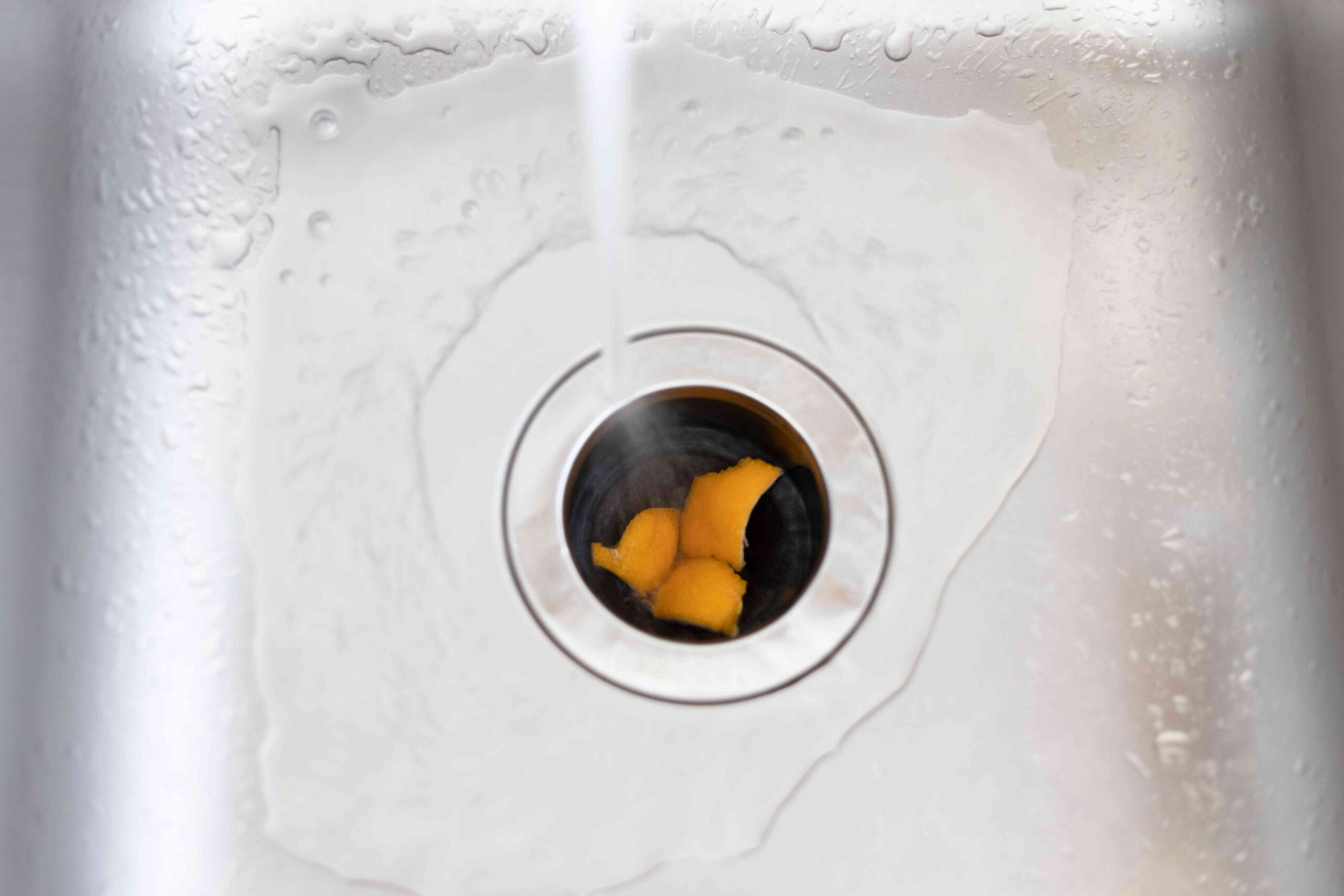
Most homeowners treat their garbage disposal like a second trash can, but plumbers say this is a recipe for disaster. While convenient, disposals aren’t indestructible, and certain items can quickly cause clogs, breakdowns, or even damage your entire plumbing system. Here’s what professionals say you should never put down the drain.
Зміст
The Myth of the “Garbage” Disposal
The appliance’s name is misleading. It’s not designed to handle all waste. Plumbing experts warn that overloading the disposal puts stress on both your home’s pipes and municipal sewer systems. Just because something eventually breaks down doesn’t mean your disposal can handle it.
Materials to Avoid At All Costs
Several common kitchen items are notorious cloggers. These include:
- Paper towels, plastic packaging, and broken glass: These don’t degrade and can easily jam the blades.
- Rubber gloves, sponges, and dental floss: These fibrous materials wrap around the motor, causing blockages.
- Grease, fats, and oils: Though liquid when hot, these solidify in pipes, creating sticky buildup that traps debris.
- Bones, fruit pits, and nutshells: Too hard for most disposals to process effectively.
- Eggshells and coffee grounds: Despite seeming harmless, they accumulate and clog drains over time.
- Starchy foods (rice, pasta, potatoes): These swell with water and turn into a paste-like substance that’s nearly impossible to clear.
- Fibrous vegetables (onions, asparagus, celery): These wrap around blades, causing jams and breakdowns.
Why These Items Cause Problems
Your drainpipes are designed for specific types of waste – primarily liquids and human waste. Overloading them with materials they can’t handle leads to major plumbing issues. The day after Thanksgiving is one of the busiest for plumbers due to potato and grease-related clogs.
The Cumulative Effect
One mistake likely won’t break the system immediately, but consistent misuse accelerates wear and tear. Plumbers emphasize that breakdowns aren’t usually caused by a single item, but by repeated neglect. Each “final straw” brings the disposal closer to failure.
In conclusion: The garbage disposal isn’t a trash can substitute. By avoiding these common mistakes, you can protect your plumbing and prevent costly repairs. Proper waste disposal – scraping plates, composting, and tossing non-food items – is essential for a functional kitchen.