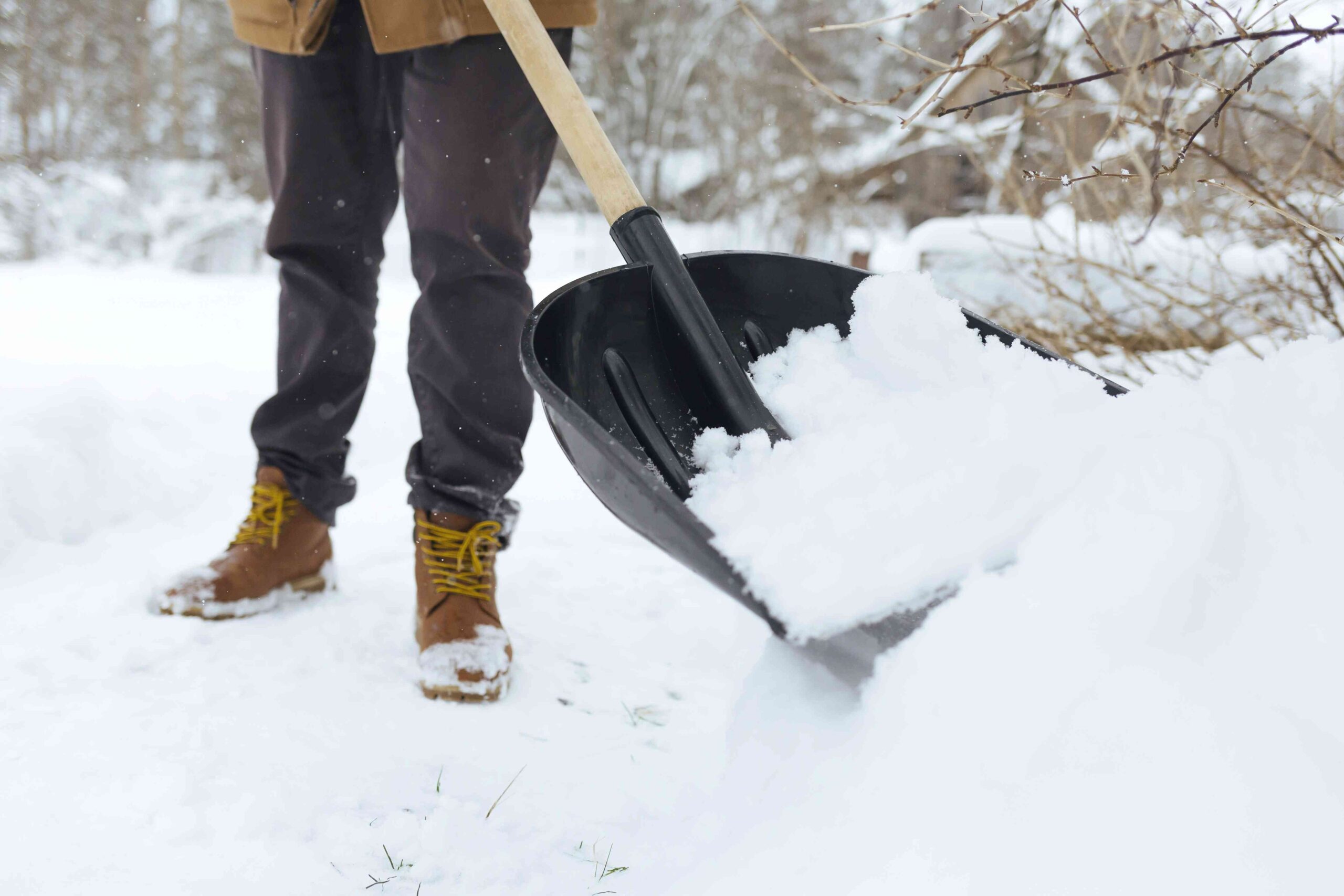
Winter weather often means dealing with snow, and for many, that means shoveling. While a beautiful snowfall can be peaceful, the work of clearing driveways and walkways requires the right approach to avoid injury and maximize efficiency. Here’s a breakdown of how to shovel snow the right way.
Зміст
Timing and Preparation
The most effective time to shovel is after a moderate snowfall (2–4 inches) before it gets compacted by foot traffic or vehicles. This makes removal easier. The best time of day? During the warmest hours, typically after noon, when the pavement may be slightly thawed, reducing sticking.
Before you even touch a shovel, plan your route. Decide where you’ll move the snow, prioritizing pathways and critical areas like vents and doorways. Avoid re-walking or driving over freshly fallen snow, as this creates hard-to-remove ice.
Choosing the Right Tools
There are three main types of snow shovels:
- Standard: Affordable ($15–$35) and versatile, with a straight shaft and curved blade. Best for general use.
- Ergonomic: Designed to reduce strain, featuring curved or dual-handle shafts. Ideal for those with back or mobility issues.
- Pusher: Wide blades for sliding snow out of the way, but less effective for lifting.
Beyond the shovel, consider these additions:
- Snow brush: For vehicles and delicate surfaces.
- Lubricant (WD-40, cooking oil): To prevent snow from sticking to the blade.
- Roof rake: For safely clearing snow from roofs.
- Ice melt: To dissolve stubborn ice or prevent refreezing.
The Shoveling Process
Begin by dressing warmly in layers with waterproof gloves and boots. Always warm up your body with light cardio (jumping jacks, running in place) to reduce the risk of overexertion. Keep water nearby to stay hydrated.
The key is proper technique:
- Push first: Use a pusher shovel to clear pathways before lifting.
- Clear from the top down: Start with cars or fragile plants, then work your way down.
- Lift correctly: Fill the shovel only 1/4 to 1/2 full. Keep your back straight, hold the handle close to the blade, and lift with your legs. Avoid twisting.
- Chop ice: For compacted snow, turn the shovel backward and slice through it in small increments. Avoid forceful chopping if the shovel is struggling.
- Apply ice melt: Use sparingly (about 1/4 cup per 25 sq ft) on stubborn ice, allowing 20–30 minutes for it to work.
Maintaining Safety and Readiness
Once you’ve cleared the snow, prepare for the next snowfall. Store your shovel upright or in a mudroom. Properly seal ice melt containers and keep them out of reach of children and pets.
By following these steps, you can clear snow efficiently and safely, minimizing strain and maximizing results. The goal isn’t just to get the job done—it’s to do it the right way.