


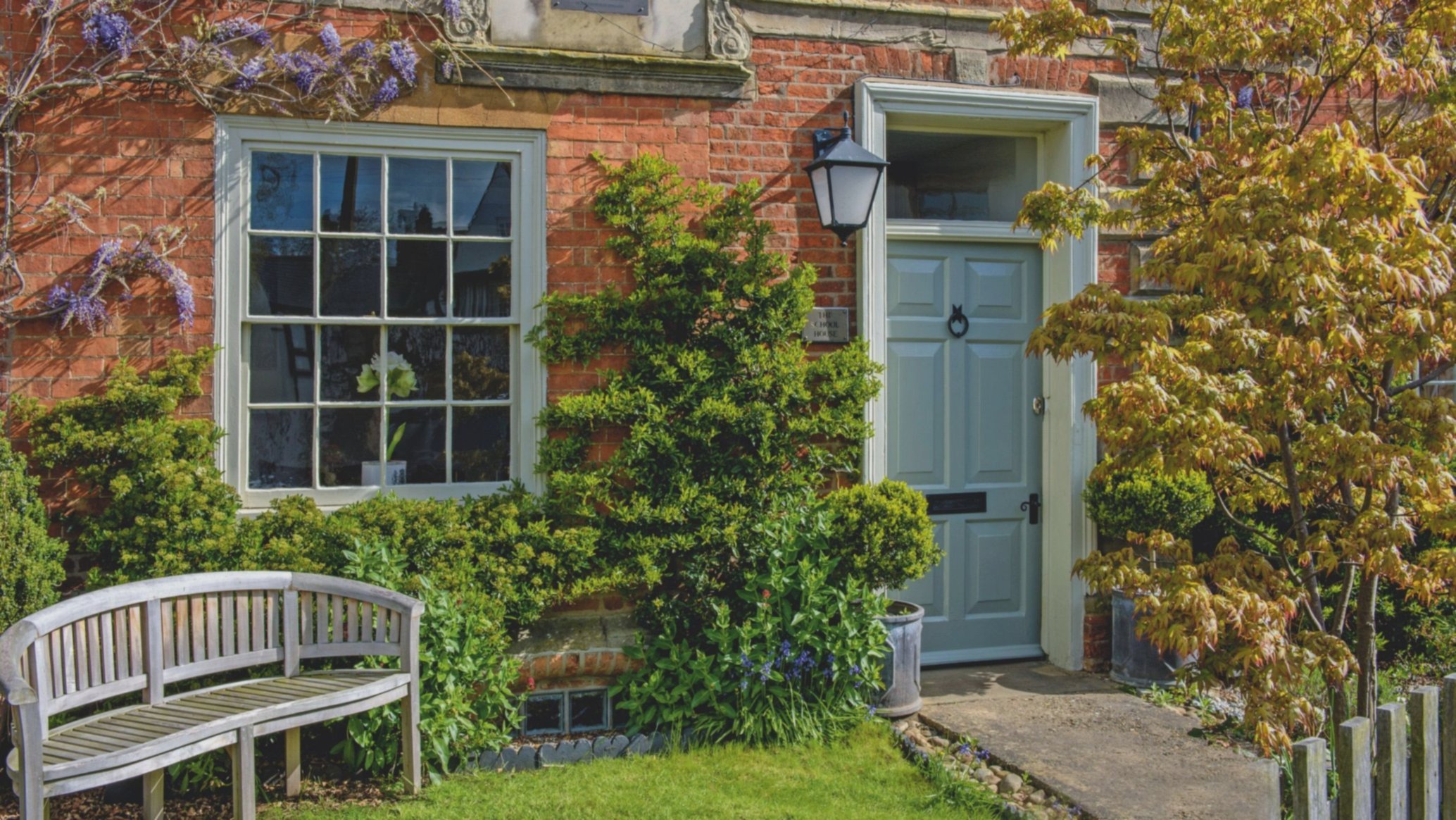
Many homeowners cherish the original features of older properties—the character, the charm, and the unique appeal that modern homes often lack. Windows are central to this aesthetic, yet their single-pane construction can be a significant source of heat loss. Upgrading to double glazing seems logical, but the question arises: can you do so without sacrificing the historic integrity of your home? This guide explores the pros, cons, and alternatives to ensure your renovation enhances, rather than erodes, the property’s value.
Зміст
The Dilemma: Character vs. Comfort
Original windows, particularly those in period homes, are more than just glass and frames. They contribute significantly to curb appeal, and their details—glazing bars, putty lines, and proportions—are often integral to the building’s design. Replacing or altering them unsympathetically can diminish the property’s value and authenticity.
However, single glazing is notoriously inefficient. According to Becky Lane, CEO of home energy upgrade company Furbnow, it’s “one of the biggest sources of heat loss in homes.” This inefficiency translates to higher energy bills and reduced comfort. The challenge is finding a solution that addresses these issues without compromising the home’s architectural heritage.
Can You Double Glaze Old Windows?
Theoretically, yes. But practicality depends on the window frames. Many older timber sash and casement windows weren’t designed to support the weight of modern sealed units, warns Andrew Haydon, director at Simply Plastics. Attempting to retrofit double glazing into unsuitable frames could cause structural damage.
Even if the frames can handle the weight, appearance is a concern. Retrofitting can disrupt original detailing, altering sightlines and frame proportions. As Haydon explains, this can detract from the window’s character, especially when fine details are central to its appeal.
Alternatives to Double Glazing
If double glazing isn’t feasible or desirable, secondary glazing offers a viable solution. This involves installing a separate pane inside the existing window frame, preserving the original structure and appearance.
Secondary glazing provides many of the benefits of double glazing—reduced heat loss, improved soundproofing—without altering the original window. It also allows for easy maintenance and removal if necessary. The increased air gap between panes offers comparable thermal performance, making it a practical alternative for preserving historic windows.
Replacement as a Last Resort
In some cases, original windows may be beyond repair. Replacement should be considered only as a last resort, and even then, it must be done carefully.
Sympathetic replacements—heritage ranges, flush sash designs, or modernized vertical sliders—can minimize the loss of character. Terry Hill, MD at KLG Rutland, notes that professional installation and careful design can preserve historic charm while delivering modern efficiency and security. However, replacement is typically more expensive than other options.
Planning and Regulations
If you live in a listed building or a conservation area, upgrading windows may require planning permission. Becky Lane emphasizes the need to work with conservation officers and heritage experts to ensure compliance with local regulations. Reversible techniques that can be easily undone should be considered to preserve flexibility.
Ultimately, preserving the character of an older home requires careful consideration. While double glazing can improve energy efficiency, alternatives like secondary glazing offer a less disruptive solution. When replacement is unavoidable, sympathetic design and professional installation are key to maintaining the property’s historic integrity.
This approach ensures that renovations enhance rather than diminish the unique value of older homes.


