


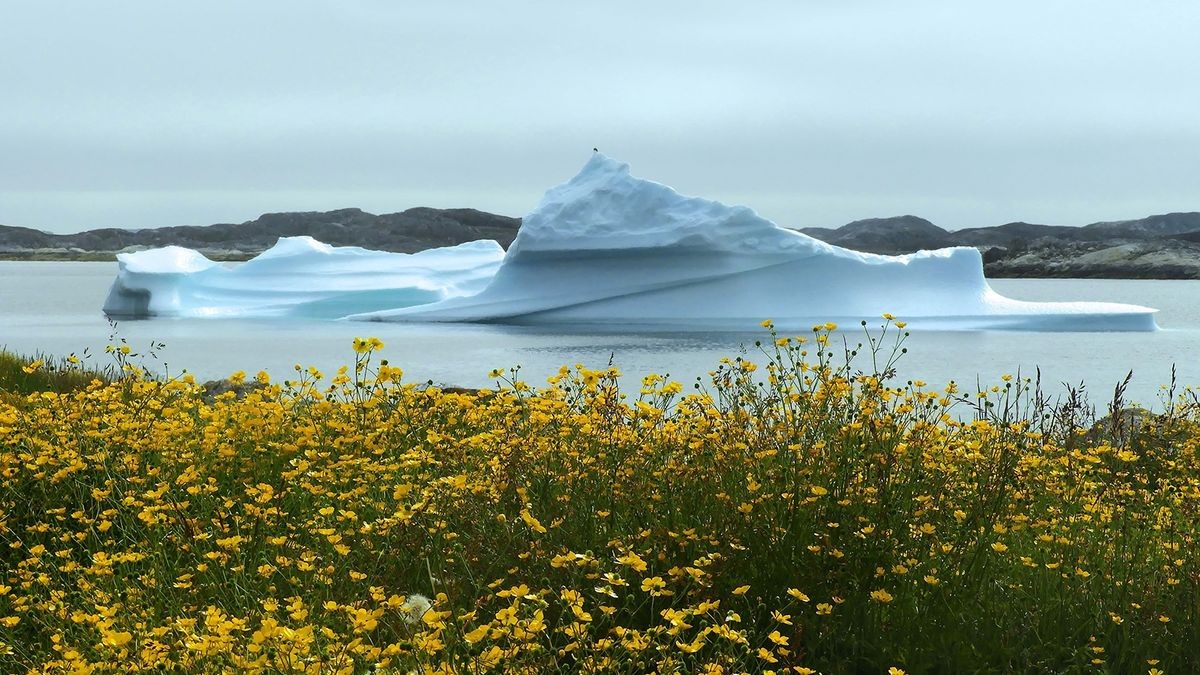
The Arctic is one of the most unforgiving environments on the planet. Yet, despite subzero temperatures, constant winds, and nutrient-poor soil, plant life endures. These plants aren’t just surviving; they’re thriving through extraordinary adaptations. The Arctic tundra isn’t barren – it’s home to a unique and resilient plant ecosystem that underpins the entire food web.
The Harsh Reality of Arctic Growth
The primary challenge in the Arctic is simple: extreme cold. Trees struggle to grow, and even smaller plants must contend with permafrost, which keeps the ground frozen year-round. To survive, Arctic plants have evolved several key strategies:
- Low Growth: Most species remain close to the ground, sheltering from wind and capturing what little warmth is available.
- Rapid Reproduction: The short Arctic summer means plants must grow, flower, and produce seeds quickly.
- Heat Conservation: Many plants have dark pigments or hairy leaves to absorb sunlight and reduce water loss.
Key Arctic Plants and Their Role
Several species stand out for their ability to endure these conditions:
- Caribou Moss (Reindeer Moss): Despite the name, this is a lichen—a symbiotic organism of fungi and algae. It’s a vital winter food source for caribou, hares, and other herbivores.
- Arctic Willow: A dwarf shrub that grows almost flat against the ground, it’s one of the few woody plants able to survive at high latitudes.
- Arctic Poppy: This vibrant flower blooms during the brief summer, adding a splash of color to the tundra.
- Cotton Grass: The fluffy white seed heads of this plant resemble cotton, providing insulation for developing seeds.
Climate Change and the Arctic
The Arctic is warming at roughly twice the rate of the rest of the world. This shift is already reshaping plant life in the region. As sea ice melts and permafrost thaws, new species are expanding their range northward. While some may see this as a positive sign of resilience, it also introduces ecological disruptions. The introduction of new plants can outcompete native species, altering the delicate balance of the tundra ecosystem.
The expansion of plant life can also accelerate climate change: as vegetation grows, it absorbs more sunlight, which can lead to even faster warming. This is a feedback loop with potentially far-


