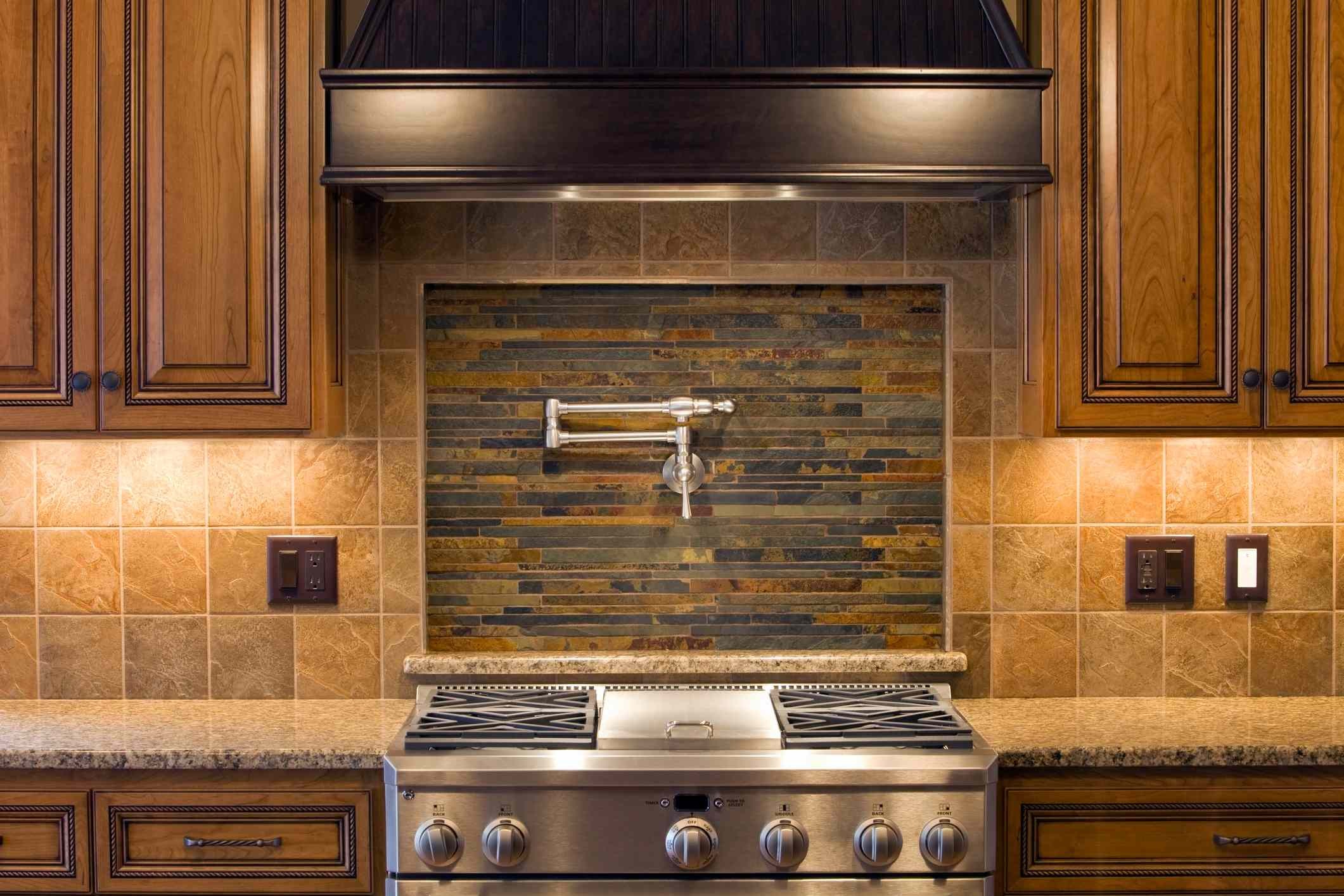
The kitchen is often the heart of the home, serving as both a functional workspace and a social hub. While bold design choices—like moody cabinetry or striking hardware—can add personality, they can also tip the scales from stylish to tacky. To help homeowners avoid common pitfalls, interior designer Brittny Button shares seven key mistakes that undermine a kitchen’s aesthetic and how to fix them.
Зміст
1. Clashing Color Palettes
A colorful kitchen can be visually stunning, but it requires a delicate balance. Button warns that pairing two “powerhouse” shades, such as navy and aubergine, often overwhelms the eye. Instead of competing colors, aim for harmony.
* The Fix: Choose one bold accent color and pair it with natural, earthy tones like deep chocolate brown, fawn, taupe, or soft cream. These shades exist in nature and create a grounded, cohesive look.
2. Disjointed Transitions
Seamlessness is key to a refined kitchen. If the transition between wall color, cabinetry, hardware, and accents feels “off,” there is likely a disconnect in the design narrative.
* The Fix: Step back and view the room as a whole. If a specific element feels out of place, modify it. Build your design layer by layer to ensure every component contributes to a unified, timeless vision rather than visual chaos.
3. Ignoring Long-Term Appeal
Trendy designs often look impressive initially but can feel dated quickly. To avoid this, Button recommends the “3-2-1 Rule” :
1. 3 Years: Will you still like this design in three years?
2. 2 Colors: Are there at least two complementary colors interacting in the space?
3. 1 Look: Does the room convey one seamless visual note?
If the answer to any of these is no, reconsider your choices. Balance is essential for longevity.
4. Poor Lighting Choices
Lighting can make or break a kitchen’s atmosphere. A common mistake is relying on drop-ceiling lighting, which can make the space feel closed in and cast unflattering light.
* The Fix: Opt for under-cabinet task lighting to brighten work surfaces and use pot lights (recessed lighting) to eliminate dark corners, especially around prep stations. Good lighting instantly elevates the room’s functionality and mood.
5. Mismatched Materials
Materials must align with the home’s overall architectural style. For example, exposed brick may fit perfectly in a warehouse conversion but look out of place in a farmhouse-style home.
* The Fix: Ensure your material choices complement the existing design language of your home. Using materials that clash with the home’s style can make the kitchen look over-designed and disjointed.
6. Compromising Workflow
A kitchen must be functional first. Ignoring the natural flow of movement can make the space frustrating to use, regardless of how beautiful it looks.
* The Fix: Adhere to the kitchen work triangle, which connects the fridge, stove, and sink. This triangle doesn’t have to be equilateral; it can be isosceles, scalene, or right-angled. The goal is to ensure continuous, efficient movement between these key zones.
7. Overusing Decorative Signage
Perhaps the most contentious advice: avoid decorative signs as wall art. Button argues that these items rarely look classy and can signal a lack of design effort.
* The Fix: Ditch decorative signs, faux plants, and fake fruit. Instead, invest in quality artwork, thoughtful lighting, and natural elements that add genuine warmth and sophistication to the space.
“It’s about the balance,” says Button. “If you’re questioning a color or feeling like something is off, trust your instincts and adjust.”
Conclusion
Creating a beautiful kitchen isn’t about following every trend, but about achieving harmony, functionality, and timelessness. By avoiding clashing colors, poor lighting, and disjointed materials, homeowners can design a space that is both visually appealing and practically efficient.