


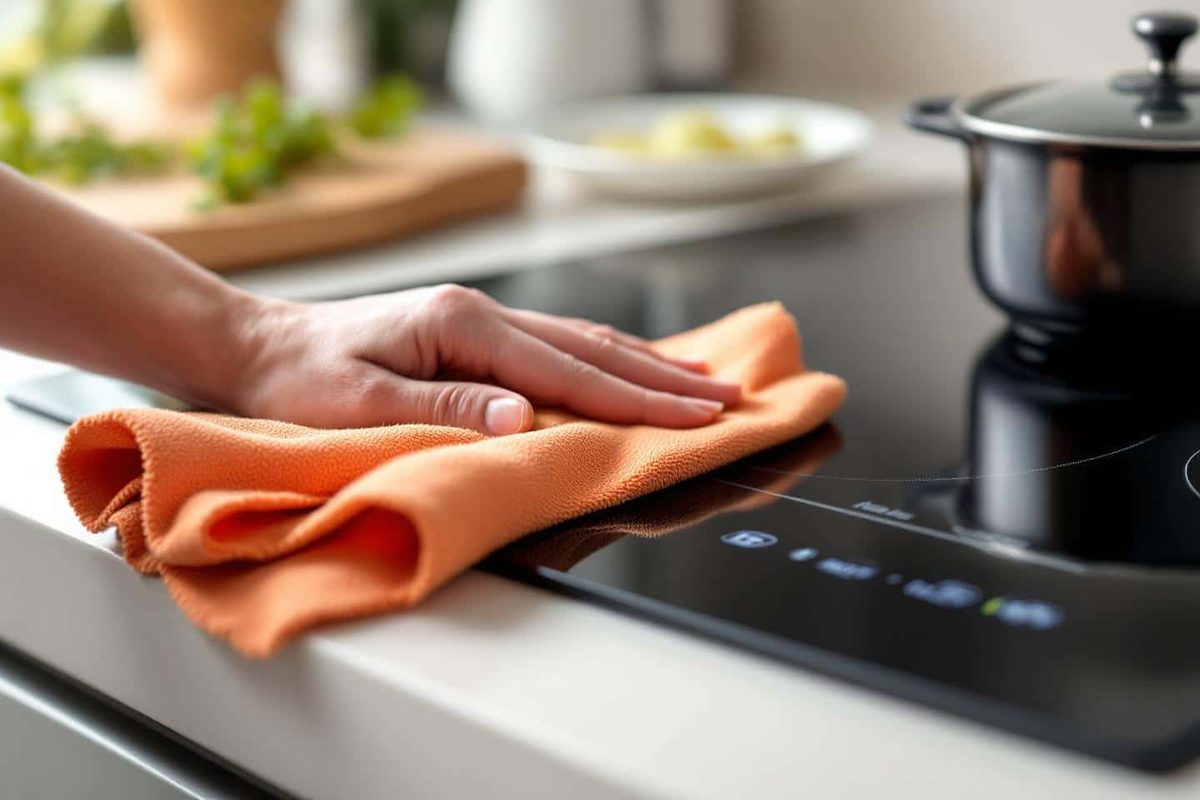
You know what this is like. Wipe the dishes after dinner. you are tired When you look at the stove, there is that eerie cloudy film. It is in all modern stoves. Vitreous ceramics. Induction. Whatever you want, that white mist is tenacious. It looks like it wasn’t cleaned at all. Even if that’s all you did.
It’s infuriating. Your kitchen will immediately become brighter and more airy. Second, the debris left behind makes it feel dirty. We blame the water. Blame the milk spills. However, it is actually a mineral. And warmth.
There is a fix. It is very cheap. You probably have it in your pantry. In addition, no strong chemicals are used that can really damage the glass.
Зміст
Why glass stains do not disappear
French kitchens love this smooth surface. Looks smooth. It heats up quickly. However, smooth surfaces act as magnets and attract deposits. Hard water preserves calcium and magnesium. Food spills can leave behind organic residues. Mixing things up with poor cleaning habits can create permanent stains.
This is science, so keep it short. The glass gets hot. The water on top evaporates. As the plates cool, the remaining minerals crystallize. They stick to surfaces. It is not a stain that can be wiped away. This is a chemical bond.
Standard cleaners often fail here. It is very abrasive and can leave microscopic scratches on the glass, leaving more stains later. Others just spread the mineral around the area, making the white ring look unattractive. You are fighting a losing battle with soap and water. You need something to break up the mineral bonds.
Heated white vinegar method
Don’t buy expensive glass oven cleaners. you don’t need them. You need white vinegar. Specifically, heated white vinegar.
Why heat? Cold vinegar works well. However, heat accelerates the dissolution of those mineral deposits. It breaks the bond faster. It makes your job easier.
What you need:
- white distilled vinegar
- A microwave safe bowl or small pot
- Soft cloth or microfiber cloth
- Optional: Lemon juice to for scent (vinegar smells sharp)
Steps:
- Pour the vinegar. Pour about half of the white vinegar into a bowl.
- *Heating. ** Microwave for 2-3 minutes. Alternatively, heat on the stove until hot, but not boiling. Warning: It will be hot. Handle with care. *
- **Apply now. ** Dip the cloth in hot vinegar. Squeeze it a little to avoid dripping.
- **Wipe off the dirt. ** Place a hot cloth soaked in vinegar directly on the white stain. Press lightly. Allow the heat and acid to act for 1-2 minutes.
- **Gently massage. ** Wipe the area with a cloth. The stain should begin to disappear. The white mist melts.
- **Wipe dry. ** Keep a dry, clean microfiber cloth available. Polish until the surface is shiny. No streaks.
Using this method, you can solve the root cause. Dissolves calcium residues without scratching the glass. Safe for both induction and glass-ceramic surfaces.
Why it is more effective than commercially available cleaners
Most commercially available cleaning agents are based on surfactants. They lift grease. Does not dissolve minerals well. Vinegar is an acid. Acids react with bases (
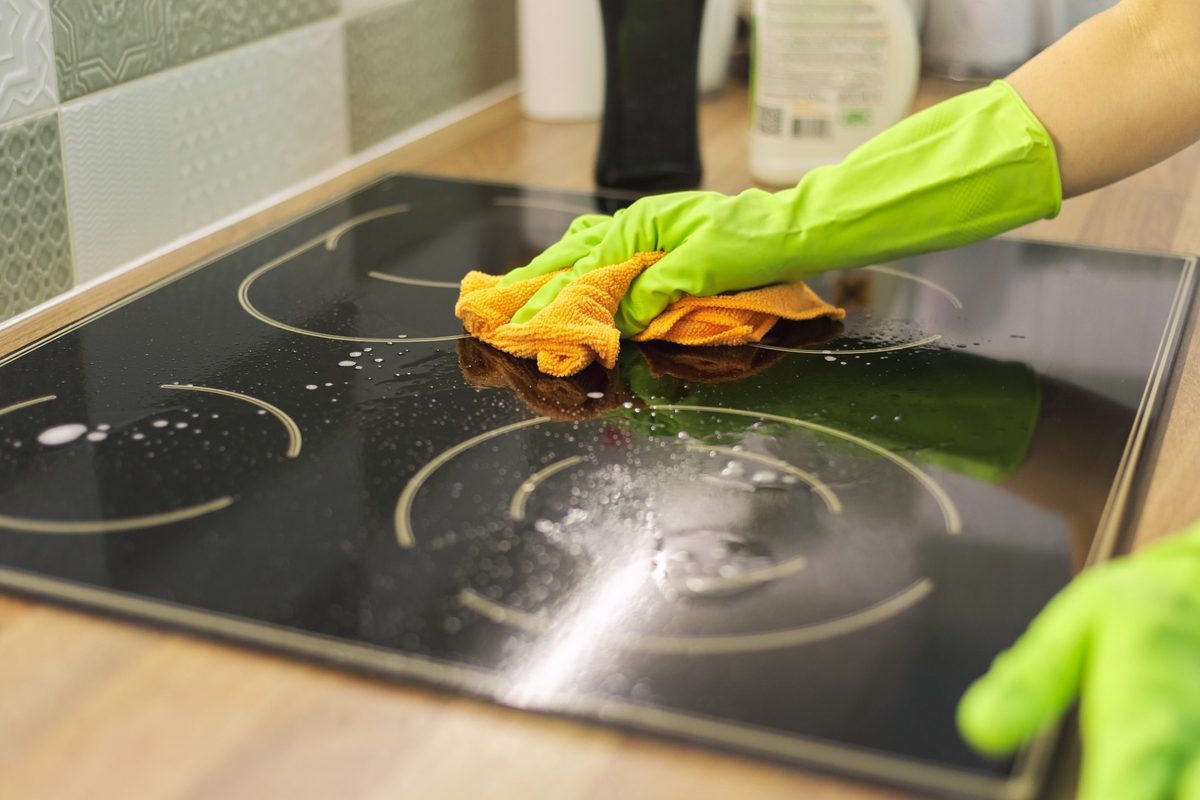

Heat vinegar to remove stubborn white spots
When white haze appears, How to remove white spots from an induction hob, people are often exposed to strong chemicals. Stop. The real answer is simpler and cheaper. Heat the vinegar.
It doesn’t boil. It’s just warm.
Pour 100 ml of white vinegar. Pour into a small saucepan or microwave safe bowl. Warm it up. Do not boil. The heat does the heavy lifting. Breaks down mineral deposits without damaging delicate glass surfaces.
Dip a clean microfiber cloth into the warm liquid. Wring it dry. You don’t want drips everywhere. A damp cloth is all you need.
Apply warm vinegar directly to the stain. Press gently. Leave on for about 1 minute. This is an important step. Heat and acid work together to dissolve calcium and hard water residue. I didn’t rub. You are soaking.
Wipe the area clean after a minute. Rinse with hot water if possible. Dry completely with another dry cloth.
result? Instant shine. No residual smell. No toxic gases are produced. Only the surface has been cleaned.
Tools are important: avoid damage at all costs
You cannot treat a ceramic or induction hob like a frying pan. The surface is glass. It gets damaged easily.
What kind of cloth should I use to clean my induction hob?
Never use sponges that contain abrasives. Never use steel wool. Avoid using polishing powder. These cause small scratches. Over time, dirt can accumulate in these small scratches, turning the shiny black surface into a dull gray.
Made of high quality microfiber cloth. Absorbs dirt and grease without grinding particles into the glass.
When wiping, remember to use gentle circular motions. Start in the middle and work outwards. This forces residue out of the edges, which can dry out and leave a ring.
Always dry the plate immediately after washing. Water spots are your enemy. Lint-free towels do not leave streaks on the surface.
If you cook often, keep a special glass cleaning cloth nearby. Wipe the surface immediately after cooling. This daily habit helps prevent the buildup that causes stubborn white spots.
Easy fixes and prevention strategies
Have you run out of vinegar? Or is it just too lazy to heat it up?
Lemon juice works well. Cut the lemon in half. Apply directly to the stain. Citric acid breaks down oils and minerals. Rinse and dry.
For older, more stubborn stains, try baking soda. Make a paste with a little water. Apply lightly. Rub gently with a microfiber cloth. Wash thoroughly. If you don’t rinse well, the baking soda will dry to a white film that looks worse than the original stain.
But the real secret is prevention.
Hard water is the main culprit. If your area has hard water, consider using distilled water for the final rinse. Or even better, dry the cooktop immediately after use.
Keep a small silicone scraper or dry cloth within arm’s reach. After removing the pan from the heat, wipe the area around it. It takes 5 seconds. This saves 20 minutes of scrubbing time later.
Routine is better than reaction.
Conclusion
You don’t need a degree in chemistry to make your glass ceramic or induction cooktop look new. Consistency is required.
Use warm vinegar for a thorough cleaning.
Use a microfiber cloth for daily cleaning.
Use lemon or baking soda for spot treatments.
Let everything dry completely.
The goal is simple. Remove the white spots. Maintains shine.
When the hob reflects the light coming from your kitchen, it cooking feels different. It feels clean. Easier. The space opens up.
This is not just a matter of hygiene. It’s about not dreading the cleanup.
Develop these small habits. The hard work stays away. The glass stays clear.
What happens the next time you see white spot? Don’t panic. Just warm up some vinegar and wipe it off.


