


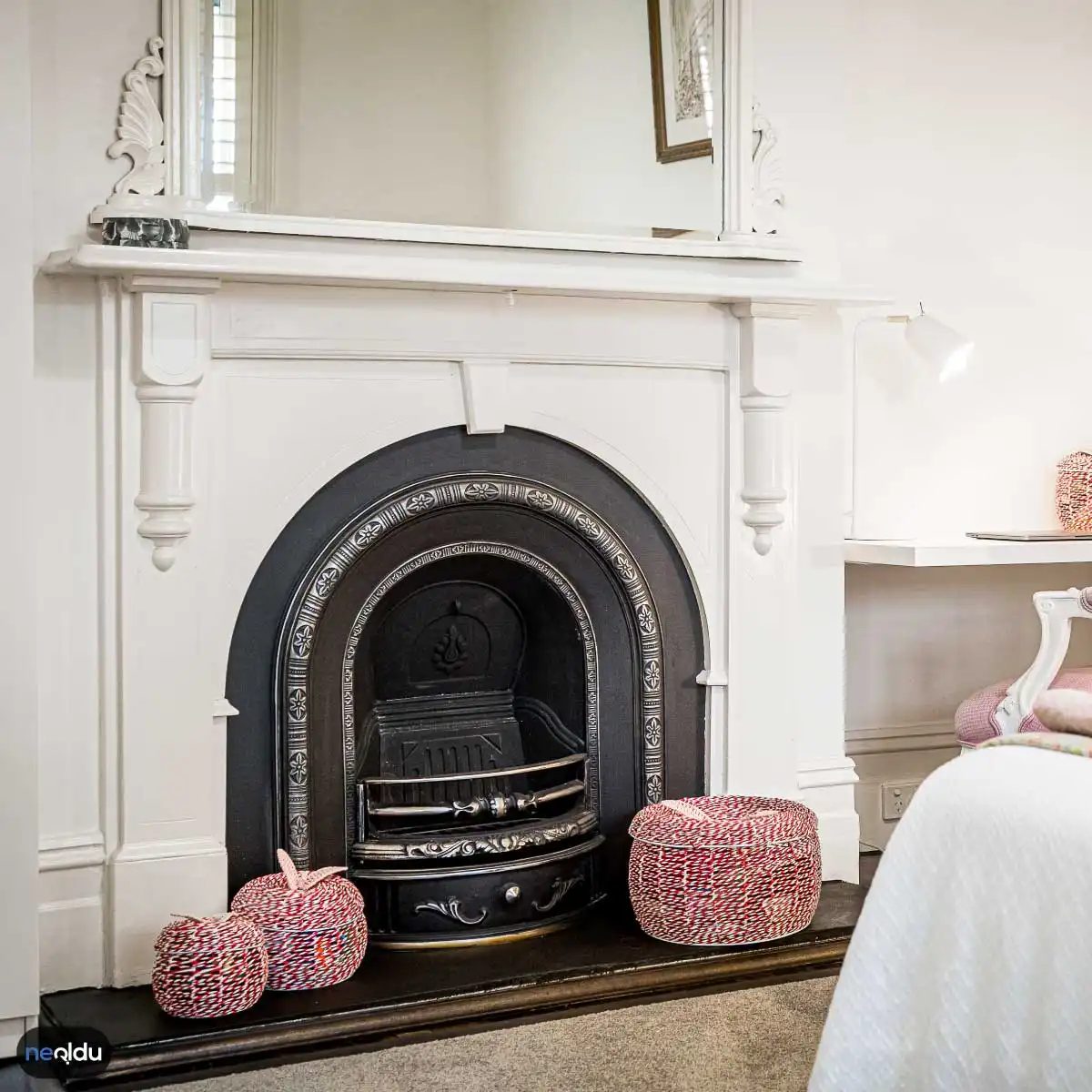
There is something fundamental about the fascination of fire. On a cold winter morning, when there is frost on the windows, people’s instincts are simple. Looking for warmth. Look for comfort. But fireplaces do more than just warm a room. It anchors a space. It defines the character of the house. Whether you prefer the stark charm of stone walls or the smooth lines of modern insert, the right decor is key. This is not just an aesthetic problem. It’s about creating a lived-in and intentional.
Many homeowners think to add a fireplace just before the cold weather arrives, but this is a mistake. The fireplace area is often the focal point of the living room. It demands attention. It sets the tone for the rest of the design. You don’t need a big budget to make an impact. You need a strategy. In order for each item on your fireplace or shelf to serve its purpose, you need to understand the basic principles of fireplace style.
Зміст
Know your fireplace style
Before you buy candles or blankets, you need to know what you’re getting into. The design of the fireplace determines the decoration possibilities.
Traditional and simple
If you have a classic wood or gas fireplace with a brick or stone facade, lean into texture. Natural materials are the best here. Think reclaimed wooden beams, wrought iron brackets and ceramic vessels. The goal is to enhance the rustic appeal without cluttering the space. Placing a thick, chunky knit throw over a nearby armchair helps balance the visual weight of the stone.
Modern and simple
Modern homes often feature linear gas fireplaces or electric units with clean, geometric lines. These require different approaches. Clutter is the enemy here. One sculptural object can be enough. Avoid busy patterns. Use a monochromatic palette or high-contrast accent colors. Used wisely, mirrors can reflect light and make a space feel larger.
Open fireplace
For those who have the luxury of a open fire, decorations should be fireproof and functional. Hearth extensions must be heat-resistant stone or tile. Mantels should be sturdy. to prevent fire hazards, keep decorations away from open flames.
Mantel: More than just a shelf
The mantel is the stage. This is the most visible part around the fireplace. How you style it can make or break the room’s vibe of the room.
The Rule of Three
There’s a reason why this is a classic design technique. it works. Group items in odd numbers (usually three) for added visual interest.
– Anchor: A large and durable item. This can be a tall vase, a large mirror or an important piece of art against the wall.
– Support: Medium objects. A pile of books with a small plant, lantern or decorative box placed on top.
– Accents: Accessories that add texture and color. Figures, candles or unique decorations.
This grouping prevents your eyes from getting bored. It creates a story. It doesn’t feel like an accident, it feels like it was carefully planned.
Vertical and horizontal balance
Consider the height of your fireplace. Tall fireplaces benefit from vertical elements. A tall mirror or an upright pile of books attracts attention.

Mantıksal olarak şömine dekorasyonuna başlamadan önce, aslında ne tür bir “kalbi” evinize yerleştirdiğinizi netleştirmeniz gerekir. Her şömine türü, hem güvenlik protokolleri hem de estetik düzenlemeler açısından farklı talepler getirir. Yanlış türü seçmek veya mevcut sisteminize uygun olmayan aksesuarlar takmak, sadece havali görünmemekle kalmaz, yangın riskini de artırır. Bu bölümde, piyasadaki ana şömine tiplerini ve her birine nasıl uygulanacağına bakalım.
Gaz Şömineleri: Temiz ve Kontrol Edilebilir Seçenek
Gaz şömineleri, günümüzde en hızlı yükselen tercihler arasında yer alıyor. Özellikle şehir hayatında veya merkezi ısıtması yetersiz dairelerde, gerçek odun ateşinin getirdiği duman ve kül sorununu yaşamadan sıcaklık arayanlar için idealdir.
Avantajları:
– Anında açılıp kapanabilirlik.
– Duman çekme sistemi (baca) gerektirmez veya minimal gerektirir.
– Bakım maliyetleri daha düşüktür.
Dekoratif Uyarı:
Gaz şöminelerinin çoğu modern tasarımlara sahiptir. Bu nedenle üzerlerine geleneksel ahşap raf veya ağır biblolar koymak konsepti bozabilir. Bunun yerine, şömine etrafını metal, beton veya mermer gibi endüstriyel malzemelerle çerçevelemek daha uyumlu olur. Gaz hortumlarını gizlemek için gömme montaj yapmanız gerekebilir, bu da dekorasyon öncesi kaba inşaat aşamasında planlama gerektirir.
Elektrikli Şömineler: En Esnek Dekorasyon Ortamı
Elektrikli şömineler, teknik olarak bir “ısıtma ünitesi”nden ziyade, görsel bir illüzyon sunan dekoratif bir öge olarak düşünülmelidir. Gerçek bir alevleri yoktur, genellikle LED ışıklar ve buharlı su sistemiyle duman efekti yaratır.
Neden Tercih Edilir?
– Baca ihtiyacı yoktur. Herhangi bir duvara, hatta iç mekanın ortasına yerleştirilebilir.
– Elektrik bağlantısı yeterlidir.
– Sıcaklık kontrolü dijitaldir, hassastır.
Dekorasyon Önerisi:
Elektrikli şömine çeşitleri, dekorasyon açısından en özgür el verir. Isı yaymadıkları için (veya çok az yaydıkları için), şömine tepesine ve etrafına sıcaklığdan hasar alacak bitkiler, şamdanlar, çerçeveler koymak tamamen güvenlidir. Bu nedenle, “modern şömine dekorasyonu” arayanlar için elektrik tipi, en riski düşük seçenektir.
Odun Yanıcılı Şömineler: Geleneksel ve Zorunlu Bakım
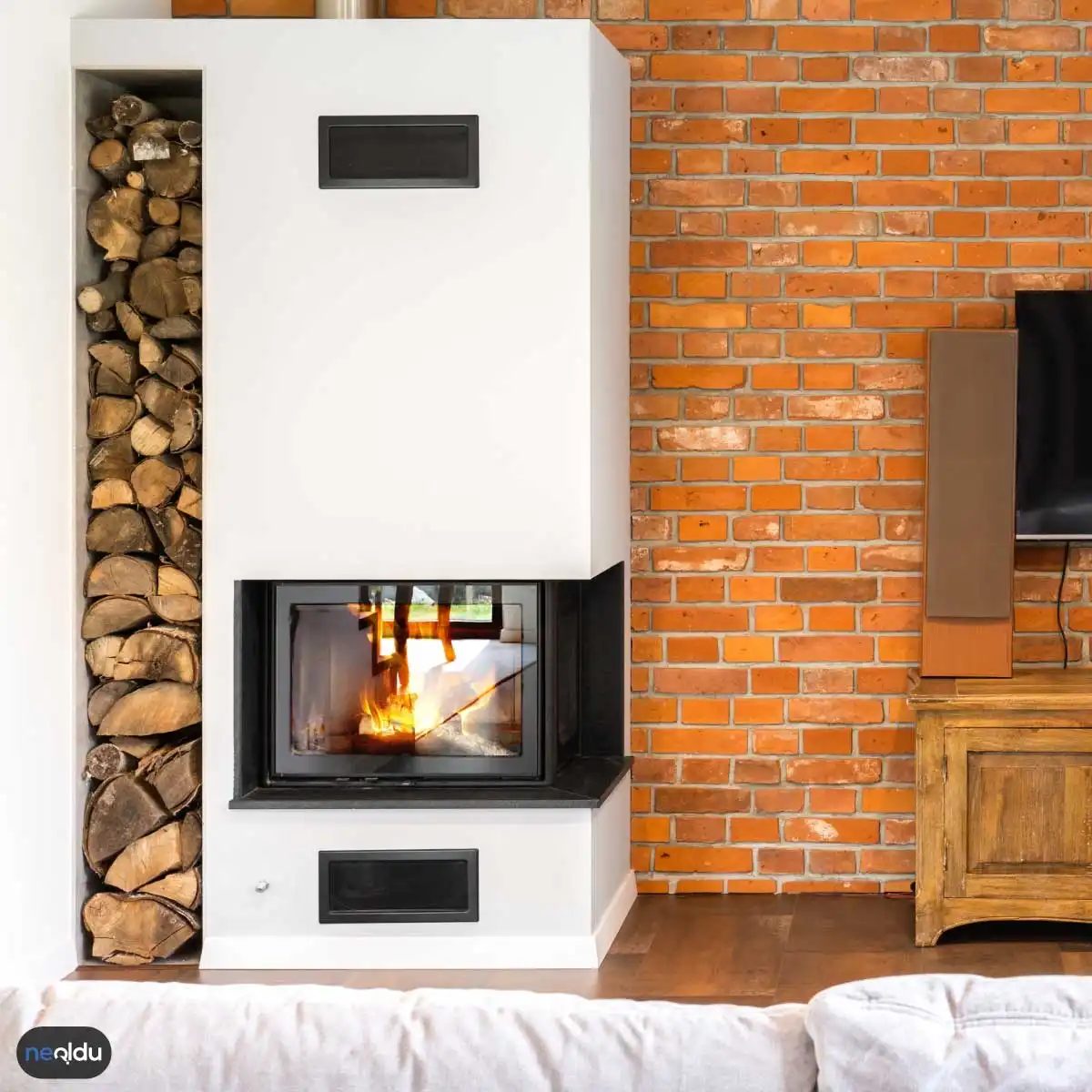
Real fires and simulations: trade-offs
A fireplace is a classic option. They are rustic and traditional, often made of brick or natural stone. They burn real wood. The heat is real. The crackling sound is real. The smell of burning wood is real. However, this reality comes with high maintenance costs.
Ashes must be disposed of. You have to clean the chimney. You have to worry about the sparks flying on the carpet. It is atmospheric, sure. But it is also labor intensive. Skip this route if you want to save yourself the hassle.
Freestanding stove
Fireplace stoves are a completely different animal. This is a separate heating unit that is not built into the wall. Most are cast iron or steel. They burn wood or coal to stay warm. This is for people who want an old fashioned look without worrying about the mess of an open fire.
There is also a modern version. These burn electric or gas or natural gas. They are more practical. There is no risk of inhaling smoke in an open fireplace and you can see the outline of the stove. This is the halfway point. A combination of beauty and functionality.
Plug and play electrical route
Electric fireplaces are the king of ease of installation. No need for a chimney. A gas line is not needed. All you need is an electrical outlet.
It uses LED technology to mimic flames. The light flickers. Looks convincing enough for most rooms. Behind the light, a heating element provides heat. Many models have a thermostat. You can adjust the flame speed. Even if you turn off the heating, the lights are on to create a summer atmosphere. It is low maintenance. You clean the glass. that’s it.
Gas fireplace: clean combustion, advanced control
Gas units use natural gas or propane. The combustion is clean. It is efficient. You get a real flame. This is not an LED simulation. Real heat.
Precise control. Turn the knob or flip the switch. The flame rises and falls instantly. The styles are endless. You will find gas units that look like traditional wood burners. You can find one that looks like a modern glass tube. Suitable for almost any interior. Installation requires natural gas pipes, which is a big obstacle. But once installed, its ease of use is second to none.
Portable desktop solution
Handheld or tabletop fireplaces are a niche market. It is compact. portable. It can be placed on a shelf. Can be mounted on the wall.
Ethanol or alcohol-based fuels are typically used. The flame is real. It flickers. Adds a cozy atmosphere to small apartments and balconies. They are not only the main source of heat, but also decorative items. But in a dorm room or a minimalist loft, you can add personality without adding clutter. Ventilation is not required. Just be careful when handling the fuel.
Eclectic mixed material design
Eclectic fireplaces break the rules. They mix styles. You may see a combination of modern lines and traditional brickwork. Or a combination of industrial metal and rustic stone. The main focus is on uniqueness.
These designs reflect personal taste. They do not follow one trend. If you want to stand out, look for a combination of materials. Contrasting textures create visual interest. Turn your fireplace into a focal point that reflects your style.
Integrated into the modern interior
What does this mean for you?
Your choice depends on your walls and your budget.
- **Check the structure. Can your walls withstand a heavy stone environment or do you need a light motorized unit?
- **Look at fuel access. Do you have a gas line? Is there a chimney? If not, the only realistic options are electricity or ethanol.
- ** Consider aesthetics. ** Do you want hidden heat? Or do you want the flames to be a show?
There is no single right answer. Only what fits your home and your habit. You can combine these styles. Add a gas insert to a traditional brick face. Place the tabletop ethanol burner on a floating shelf next to a stylish electric wall cabinet. Layer the warmth.
The market is full of options. Some promise high efficiency and low cost. Others promise zero maintenance with high prices. Read the specifications. Check the BTUs. Look at the warranty.
It is easy to get lost in the shiny brochures. But the reality is simpler. You need heat. You want beauty? The rest is just technology.
What happens during a power outage? Or the gas line is capped? That’s when basic mechanisms become most important. It’s not marketing nonsense. Just the physics of combustion and insulation.
Think about your everyday life. Do you light a fire once a week? Or do you want to turn it on every night? Frequency changes everything.
A heavy stone mantle
Back to basics
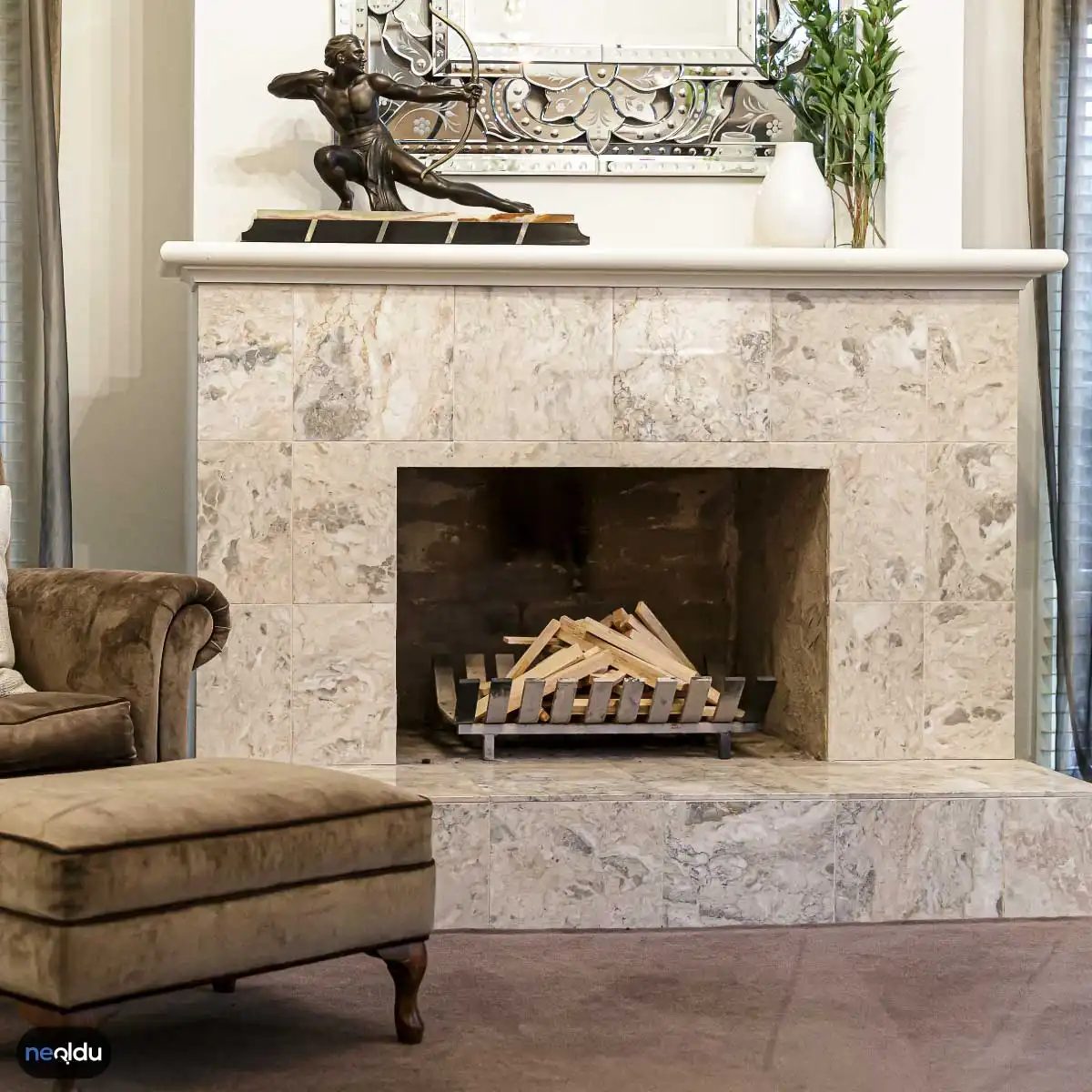
Minimalism is more than just a buzzword. This is a directive. When you look at a modern fireplace, it shouldn’t look cluttered. You should see clean lines.
Let’s think about materials. Smooth, tight surfaces in pure white, dark gray and matte black immediately create a immediate tension in a warm room. It forces the eyes to turn towards the heat source. It simplifies the visual noise.
Built-in and invisible
Why make a statement when you can blend in?
There’s a reason why recessed fireplaces dominate recent design trends. They sit flush with the wall. There is no protruding mantle that hits the shins. The structure disappears into plasterboard or stone, leaving only the firebox visible. This method strips away the burden on traditional heavy hearth. It modernizes the space by eliminating physical volume.
Glass as an interior design element
The clear glass serves two purposes here. First, it is a safety barrier. Second, it’s a frame.
By covering the front of the unit with tempered glass, you maintain visual connection with the flame without smoke. This is very important when burning wood or gas. You see dancing logs and the glow dancing, but the room remains clean. Since it is transparent, keeps … from feeling the fireplace a heavy feel. It feels light.
Breaking symmetry
A standard fireplace is symmetrical. they are safe. they are boring.
Asymmetry breaks the mold. Imagine a hearth that slopes up on one side and down on the other. Or it could be a stone surround that extends higher to the left but cuts off abruptly to the right. This dynamic shape adds movement to a static room. It draws you in. This makes the fireplace feel like it was intentional rather than by accident.
Metallic and shiny
Wood is warm. Metal is cool.
Incorporating metallic finishes introduces a different texture. Stainless steel has industrial edge. Brushed bronze adds warmth while maintaining a sleek profile. These materials reflect light differently than stone or brick. They catch the ambient glow.
Metal surfaces can turn an ordinary fireplace into a piece of furniture instead of just a heater.
Lighting the Frame
A fire provides light, but it does not provide “ambiance” for the whole room.
Strategically placed of LED strips behind the mantle or in a recessed space can change the entire mood. You aren’t just looking the fire. You are looking at a composition of light and shadow. Soft backlighting creates depth. This gives the impression that the unit feel like it’s floating or embedded in the light.
Classic style with a new look
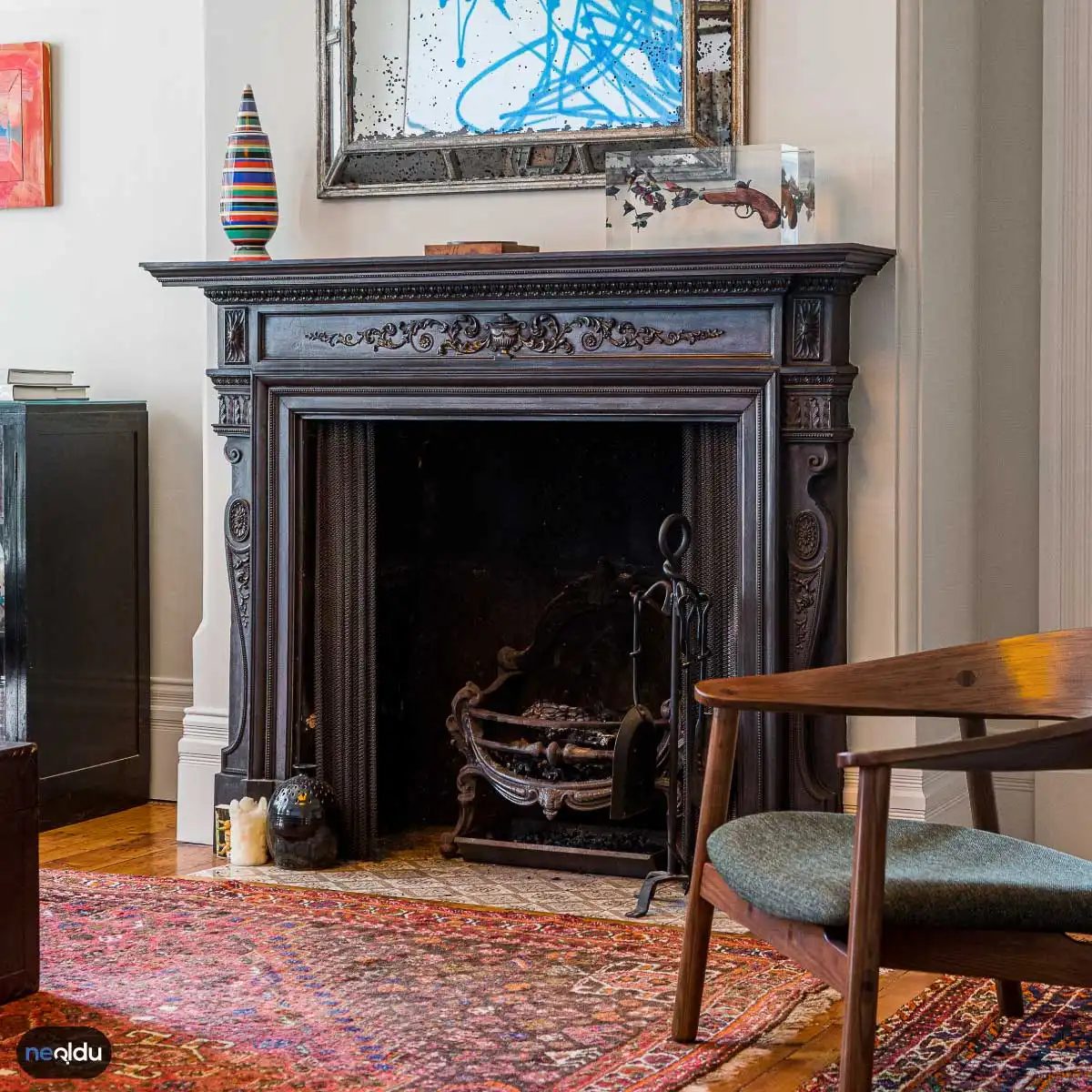
Why natural stone still dominates classic fireplace design
You want a fireplace that not only looks good today, but also lasts tomorrow. It means natural stone. Not the faux stuff that peels after a few winters. We are talking about real marble, granite and limestone. These materials bring a heavy, grounded luxury and luxury. They anchor the space. Once installed, it becomes a visual focal point. The material itself is older than your home, so it is timeless. This texture adds warmth that plain paint or drywall cannot reproduce.
The power of antiques
The fireplace is a shell without accessories. This is where nostalgia comes into play. Do not leave the mantle empty. Add antique bronze sets. Think of an old clock. Bronze vases. If you are leaning hard into the Victorian vibe, choose lace curtains. These are not just decorations. They are context. The illusion is effective, even if it gives the fireplace a history that may not exist. It makes the space feel inhabited, curated and authentic.
The mirror as a creator of depth
Put a mirror above of the fireplace. Seriously. This is a classic move for a reason. An antique frame or gold leaf detailing. Mirrors do more than just reflect light. It tricks the eye. The room feels bigger and the ceiling higher. It bounces the firelight and doubles the visual impact of the flames. Without it, the wall above the fireplace feel dead and flat. This creates depth.
Framing the Fire with Curtains
If you want softness, hang a curtain. Specifically, a lace or embroidered curtain in front of the fireplace opening. This is common in traditional settings. It frames the hearth. Add a layer of contrasting texture with hard stone or wood. It also serves a practical purpose in certain climates and prevent drafts when the fire is out. It’s an elegant touch that says, “This is a formal space.”
Choose your style and material
You are not tied to just one path. If you feel that the stone is too heavy, look at wood. Country styles love exposed wood and warm, earthy tones. Modernists might strip it back to minimalist black metal or crisp white surrounds. Consistency is key. If you choose a classic, stick to natural shades such as beige, brown, cream. A modern look thrives on neutral colors such as black, white and grey. Don’t mix them randomly. Select a lane.
Choose the right fuel source
How you burn is just as important as how it looks.
* Wood: The traditional choice. Real crackle, real smell. Requires a chimney and regular cleaning.
Gas: Clean. Practical. Turns on with a switch. Requires gas line and professional venting.
* Electric: Easiest to install. Ventilation is not required. Good for apartments. Less authentic heat.
Ethanol: Portable. There is no chimney. However, the heat output is lower.
Maintenance reality check
Don’t buy it and forget it. Wood-burning units require annual chimney sweeps. Creosote build-up is a fire hazard. Gas appliances require regular safety inspections. Even electric types can gather dust in the logs. A dirty fireplace looks bad and is less efficient. Schedule the maintenance before you enjoy the atmosphere.
Decor Tips That Actually Work
What’s on the mantle? Less is often more. A pair of candlesticks. A photo in a frame. Don’t mess it up. If you use a mirror, keep the lid clean for the reflection to work. If you use curtains, be careful not to block air flow or expose them to flames. Safety first, style second. every time.


